Appendicitis
Appendicitis
Overview
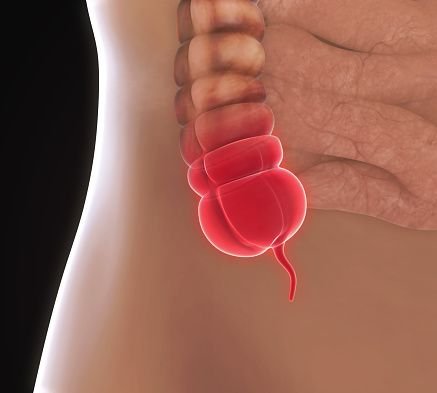
Appendicitis is a common and potentially serious condition characterized by inflammation of the appendix, a small tube-like structure attached to the large intestine. It is considered a medical emergency because, if left untreated, the inflamed appendix can rupture and lead to infection spreading within the abdomen. Prompt diagnosis and timely treatment are essential to prevent complications. With modern surgical techniques, appendicitis can be treated safely and effectively, most commonly through minimally invasive surgery.
Causes
Appendicitis usually occurs when the appendix becomes blocked, often due to hardened stool, infection, or swelling of lymphatic tissue. This blockage allows bacteria to multiply, leading to inflammation and infection. In some cases, gastrointestinal infections or other underlying conditions may contribute. As pressure builds within the appendix, it can eventually rupture if not treated in time.
Symptoms
The most common symptom of appendicitis is sudden abdominal pain that typically begins near the navel and then shifts to the lower right side of the abdomen. The pain usually worsens with movement, coughing, or walking. Other symptoms include nausea, vomiting, loss of appetite, mild fever, and abdominal swelling. Some patients may also experience changes in bowel habits such as constipation or diarrhea. As the condition progresses, the pain becomes more severe and persistent, indicating the need for urgent medical care.
Diagnosis
Diagnosis involves a detailed clinical evaluation, including physical examination to check for tenderness in the lower right abdomen. Blood tests are commonly performed to detect signs of infection. Imaging studies such as ultrasound or CT scan help confirm the diagnosis and assess the severity of inflammation. Early and accurate diagnosis plays a crucial role in preventing complications.
Treatment Options
Recovery after appendectomy is generally quick, especially with laparoscopic surgery. Patients can usually return to normal activities within one to two weeks. Mild discomfort and fatigue may occur initially but improve over time. Proper wound care, adherence to medications, and gradual return to normal diet are important for smooth recovery. Follow-up visits help ensure that healing is progressing well.
Post-Treatment Care
Recovery after appendectomy is generally quick, especially with laparoscopic surgery. Patients can usually return to normal activities within one to two weeks. Mild discomfort and fatigue may occur initially but improve over time. Proper wound care, adherence to medications, and gradual return to normal diet are important for smooth recovery. Follow-up visits help ensure that healing is progressing well.
Risks or Complications
Appendix surgery is considered safe, but as with any procedure, there are potential risks such as infection, bleeding, or complications related to anesthesia. In cases of a ruptured appendix, there may be a higher risk of abdominal infection or abscess formation. However, with timely intervention and experienced surgical care, these risks are minimized and outcomes are highly successful.
When to See a Doctor
Immediate medical attention is essential if you experience sudden and severe abdominal pain, especially in the lower right abdomen, along with nausea, vomiting, or fever. Early diagnosis and prompt treatment can prevent complications such as rupture. Consulting an experienced specialist like Dr. Chitterusu Raghuram ensures accurate evaluation, timely surgery, and safe recovery.
Explore more:
Explore Our Specialities
Our Services
Don’t Ignore Your Symptoms
Get timely diagnosis and expert treatment for lasting relief.