Post Surgery Care
Post Surgery Care
Overview
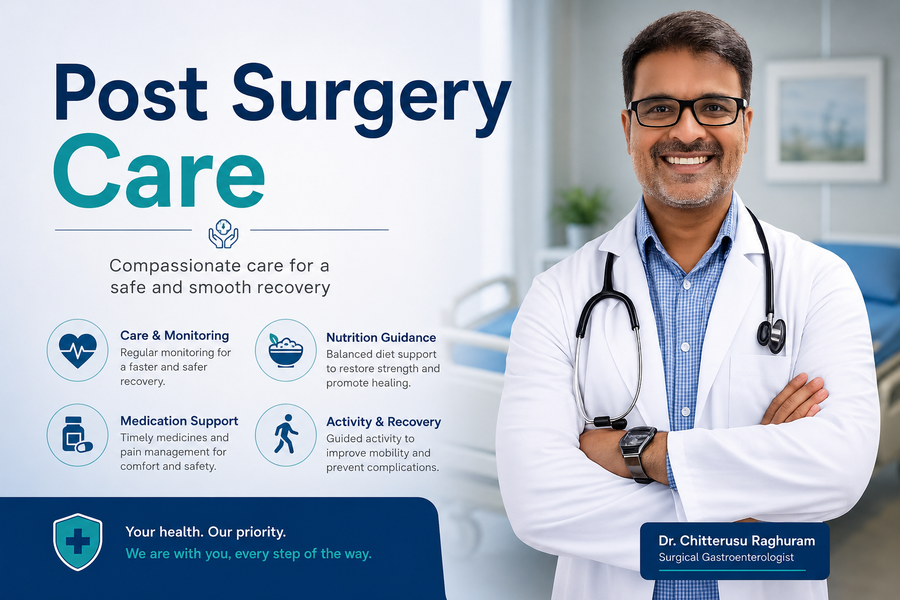
Post surgery care is an essential part of recovery after any surgical procedure, particularly in Surgical Gastroenterology where the digestive system, liver, pancreas, gallbladder, and intestines are involved. Proper postoperative care helps the body heal safely, reduces the risk of complications, and supports a faster return to normal daily activities. Recovery after surgery varies depending on the type of procedure performed, the patient’s overall health, and the complexity of the condition being treated. Careful monitoring, nutritional support, wound management, pain control, and regular follow-up are all important aspects of successful recovery.
Modern gastrointestinal surgeries, including laparoscopic and minimally invasive procedures, often allow patients to recover more comfortably with shorter hospital stays. However, even after discharge, patients must continue following medical advice regarding diet, medications, physical activity, and wound care to ensure complete healing and avoid complications.
Causes
The need for post surgery care arises after procedures performed for various gastrointestinal and hepatobiliary conditions. These may include gallbladder stones, hernias, colorectal disorders, appendicitis, gastrointestinal cancers, liver diseases, pancreatic disorders, reflux disease, intestinal obstruction, or inflammatory bowel conditions. Surgical procedures place stress on the body, and proper postoperative care is necessary to support tissue healing, restore digestive function, and prevent infections or other complications.
Certain factors may influence recovery and increase the importance of specialized postoperative management. These include advanced age, diabetes, obesity, poor nutritional status, smoking, weakened immunity, or pre-existing heart and lung conditions. Major surgeries involving the stomach, intestines, liver, or pancreas may require closer observation and longer recovery periods compared to minor procedures.
Symptoms
During the recovery period, patients may experience mild pain, swelling, tiredness, reduced appetite, or temporary digestive disturbances such as bloating or constipation. These symptoms are commonly expected after surgery and usually improve gradually with appropriate treatment and rest. Mild discomfort around the incision site and temporary weakness are also part of the normal healing process.
However, certain symptoms may indicate complications and should not be ignored. Persistent fever, severe abdominal pain, increasing redness or discharge from the surgical wound, vomiting, difficulty passing stool or urine, breathing difficulty, excessive bleeding, or sudden swelling should be evaluated promptly. Early recognition of abnormal symptoms allows timely medical intervention and helps prevent serious complications.
Diagnosis
Postoperative assessment involves regular clinical evaluation by the surgical team to ensure proper healing and recovery. The doctor may examine the surgical wound, monitor vital signs, assess pain levels, and evaluate digestive function. Blood tests may be performed to check for infection, anemia, electrolyte imbalance, or liver and pancreatic function when required.
In some cases, imaging studies such as ultrasound, CT scan, or X-rays may be advised if complications are suspected. Follow-up consultations are important to monitor progress, remove sutures if necessary, review pathology reports, and guide patients regarding diet, activity, and medication adjustments. Careful postoperative evaluation helps ensure a safe and smooth recovery process.
Treatment Options
Post surgery care includes a combination of medical management, nutritional support, pain control, and physical recovery measures tailored to the patient’s condition and procedure. Pain medications, antibiotics, anti-nausea medications, and gastric protection medicines may be prescribed depending on the surgery performed. Patients are also encouraged to gradually resume walking and light activity to improve circulation and reduce the risk of blood clots.
Nutritional management plays a significant role in gastrointestinal surgery recovery. Patients may initially require liquid or soft diets before gradually returning to regular meals. Adequate hydration and protein intake help promote wound healing and restore strength. In some advanced gastrointestinal surgeries, temporary dietary restrictions or specialized nutritional plans may be necessary under medical supervision.
Minimally invasive laparoscopic procedures often allow quicker recovery with less postoperative pain and smaller scars. However, major surgeries may require more intensive monitoring and rehabilitation. Individualized treatment plans ensure that each patient receives the appropriate level of care during recovery.
Post-Treatment Care
After discharge from the hospital, patients should continue following all postoperative instructions carefully. Surgical wounds must be kept clean and dry, and medications should be taken exactly as prescribed. Maintaining proper hydration, eating balanced meals, and avoiding heavy or oily foods during early recovery can help improve digestive comfort and healing.
Patients are usually advised to avoid strenuous physical activity, heavy lifting, or smoking during the recovery period. Gentle walking and gradual movement are encouraged to improve circulation and prevent stiffness. Follow-up visits are important to monitor recovery progress and address any concerns early.
Emotional recovery is also an important part of healing after surgery. Some patients may experience anxiety, weakness, or temporary changes in appetite and energy levels. Proper rest, family support, and regular communication with the healthcare team contribute significantly to a smooth recovery experience.
Risks or Complications
Although most patients recover well after surgery, complications can occasionally occur. These may include wound infection, bleeding, delayed healing, blood clots, respiratory complications, bowel obstruction, leakage from surgical connections, or adverse reactions to medications. Patients with diabetes, obesity, or weakened immunity may have a slightly higher risk of postoperative complications.
Certain gastrointestinal surgeries may also lead to temporary digestive disturbances such as constipation, diarrhea, bloating, or changes in appetite. Careful postoperative monitoring and timely follow-up help identify and manage these issues effectively. Early medical attention significantly reduces the risk of serious complications and supports safer recovery outcomes.
When to See a Doctor
Patients should contact their doctor immediately if they develop persistent fever, severe abdominal pain, increasing swelling, excessive bleeding, breathing difficulty, chest pain, persistent vomiting, or discharge from the surgical wound. Sudden weakness, dehydration, inability to eat or drink properly, or changes in bowel movements should also be evaluated without delay.
Even if recovery appears normal, regular follow-up appointments remain important after gastrointestinal surgery. Ongoing medical supervision helps ensure proper healing, addresses any nutritional or digestive concerns, and allows patients to return safely to normal activities with confidence.