Whipple’s Procedure (Pancreaticoduodenectomy) in Hyderabad
Whipple’s Procedure (Pancreaticoduodenectomy) in Hyderabad
Overview
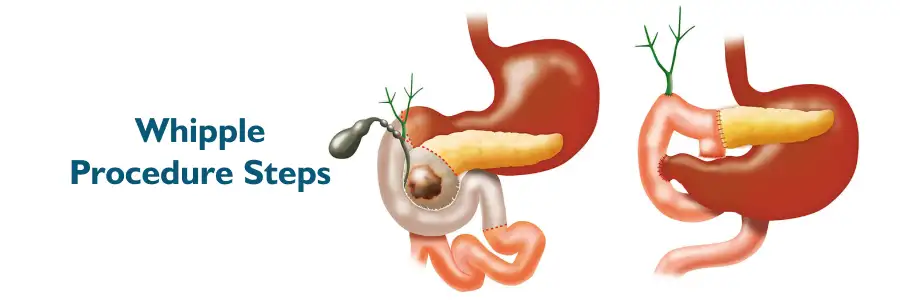
Whipple’s procedure, medically known as pancreaticoduodenectomy, is a complex and highly specialized surgery performed to treat conditions affecting the pancreas, bile duct, and surrounding structures. It is most commonly recommended for patients diagnosed with pancreatic cancer, particularly tumors located in the head of the pancreas. The procedure involves the removal of the head of the pancreas, part of the small intestine (duodenum), gallbladder, bile duct, and sometimes a portion of the stomach. The remaining organs are then carefully reconnected to restore digestive function. In Hyderabad, this surgery is performed using advanced surgical techniques, including minimally invasive and robotic-assisted approaches, offering improved precision and recovery outcomes.
Causes
Whipple’s procedure is not a treatment for a single disease but rather a surgical solution for several serious conditions. The most common cause is pancreatic cancer, especially when the tumor is localized and has not spread extensively. Other conditions include cancers of the bile duct, ampulla of Vater, and duodenum, as well as certain benign tumors and chronic pancreatitis that cause severe symptoms or complications. In some cases, cystic lesions of the pancreas with a high risk of malignancy may also require this procedure. Early evaluation and accurate diagnosis are crucial in determining whether surgery is the appropriate course of treatment.
Symptoms
Patients who may require Whipple’s procedure often present with symptoms related to pancreatic or biliary disease. These can include persistent abdominal pain, unexplained weight loss, jaundice (yellowing of the skin and eyes), dark urine, pale stools, and loss of appetite. Some individuals may also experience nausea, vomiting, or new-onset diabetes. Because these symptoms can be subtle in the early stages, many patients are diagnosed only after the disease has progressed, highlighting the importance of timely medical consultation.
Diagnosis
A thorough diagnostic workup is essential before planning a Whipple’s procedure. This typically includes advanced imaging studies such as CT scans, MRI, and endoscopic ultrasound to assess the size, location, and spread of the tumor. Blood tests, including tumor markers like CA 19-9, may provide additional information. In certain cases, a biopsy may be performed to confirm the diagnosis. The surgical team evaluates whether the tumor is resectable and ensures that the patient is fit for surgery. Multidisciplinary assessment plays a key role in achieving the best possible outcomes.
Treatment Options
Whipple’s procedure remains the gold standard treatment for resectable tumors in the pancreatic head and surrounding regions. The surgery can be performed through open, laparoscopic, or robotic techniques, depending on the patient’s condition and tumor characteristics. In some cases, chemotherapy or radiation therapy may be recommended before surgery (neoadjuvant therapy) to shrink the tumor and improve surgical success. After the procedure, additional treatments such as chemotherapy may be advised to reduce the risk of recurrence. The approach is individualized to ensure optimal cancer control and patient recovery.
Post-Treatment Care
Recovery after Whipple’s procedure requires careful monitoring and supportive care. Patients typically spend several days in the hospital, followed by a gradual return to normal activities. Nutritional management is a key aspect of recovery, as digestion may be temporarily affected. Patients may need pancreatic enzyme supplements and dietary modifications to aid digestion and maintain weight. Regular follow-up visits are essential to monitor healing, manage any complications, and assess for disease recurrence. With proper care and guidance, many patients regain a good quality of life.
Risks or Complications
As a major surgical procedure, Whipple’s surgery carries certain risks. These may include infection, bleeding, delayed gastric emptying, leakage from surgical connections, and digestive difficulties. Some patients may develop diabetes or require long-term enzyme supplementation due to reduced pancreatic function. However, with advances in surgical techniques and experienced surgical teams, the risk of complications has significantly decreased. Careful patient selection and post-operative management play a vital role in minimizing these risks.
When to See a Doctor
It is important to consult a specialist if you experience persistent abdominal discomfort, unexplained weight loss, jaundice, or digestive disturbances. Early evaluation can lead to timely diagnosis and increase the chances of successful treatment. Individuals with known pancreatic or biliary conditions should maintain regular follow-ups and seek immediate medical attention if symptoms worsen. Prompt consultation with an experienced surgical gastroenterologist ensures accurate diagnosis, appropriate treatment planning, and improved outcomes.
This comprehensive approach to Whipple’s procedure in Hyderabad emphasizes advanced surgical care, patient-centered treatment, and long-term support, helping patients navigate a complex condition with confidence and clarity.
Explore more:
Explore Our Specialities
Area of Interest
Don’t Ignore Your Symptoms
Get timely diagnosis and expert treatment for lasting relief.