Gastrointestinal Cancer Surgery
Gastrointestinal Cancer Surgery
Overview
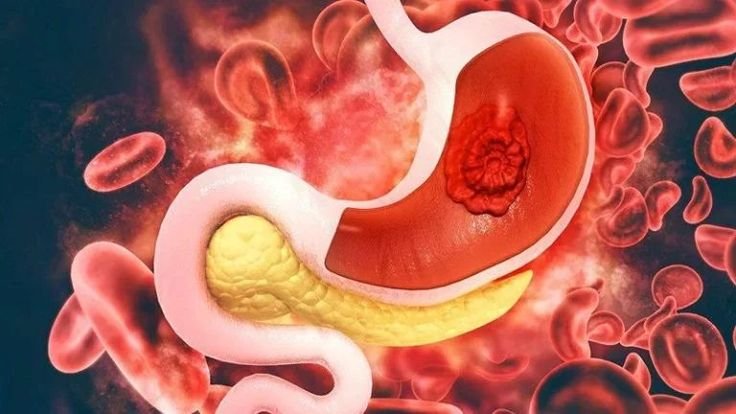
Gastrointestinal (GI) cancer surgery involves the surgical treatment of cancers affecting the digestive system, including the esophagus, stomach, liver, pancreas, small intestine, colon, and rectum. Surgery plays a central role in managing many GI cancers, either as a curative treatment when the disease is detected early or as part of a combined approach with chemotherapy and radiation in more advanced stages. The primary goal is to remove the tumor along with affected tissues while preserving as much normal function as possible. With advancements in surgical techniques, including minimally invasive and laparoscopic approaches, outcomes have significantly improved with reduced recovery time and better quality of life.
Causes
Gastrointestinal cancers can develop due to a combination of genetic, environmental, and lifestyle factors. Common risk factors include tobacco use, excessive alcohol consumption, obesity, unhealthy diet, chronic infections, and a family history of cancer. Certain pre-existing conditions such as long-standing acid reflux, inflammatory bowel disease, liver cirrhosis, or chronic pancreatitis may also increase the risk. Early identification of these risk factors plays an important role in prevention and timely intervention.
Symptoms
Symptoms of GI cancers often vary depending on the organ involved but may include persistent abdominal pain, unexplained weight loss, difficulty swallowing, changes in bowel habits, blood in stool, loss of appetite, or fatigue. In some cases, symptoms may be subtle or absent in the early stages, which is why regular health check-ups and screening are important, especially for individuals at higher risk.
Diagnosis
Diagnosis typically involves a detailed clinical evaluation followed by specialized investigations. Endoscopy and colonoscopy are commonly used to visualize the digestive tract and obtain tissue samples for biopsy. Imaging studies such as CT scans, MRI, or PET scans help determine the extent of the disease and guide treatment planning. Blood tests and tumor markers may also assist in diagnosis and monitoring response to treatment.
Treatment Options
Surgery is often the cornerstone of treatment for many gastrointestinal cancers. Depending on the type, location, and stage of the cancer, the procedure may involve removing part or all of the affected organ, along with nearby lymph nodes. Minimally invasive techniques, including laparoscopic surgery, are increasingly used for suitable cases, offering benefits such as smaller incisions, reduced pain, and faster recovery. In advanced cases, surgery may be combined with chemotherapy or radiation therapy to achieve the best possible outcome. The treatment plan is carefully tailored to each patient’s condition to ensure optimal results.
Post-Treatment Care
Recovery after GI cancer surgery requires a comprehensive approach that includes nutritional support, physical rehabilitation, and regular medical follow-up. Patients may need to adapt to dietary changes depending on the type of surgery performed. Gradual return to normal activities is encouraged, along with monitoring for any signs of recurrence or complications. Emotional support and counseling may also play an important role in overall recovery and well-being.
Risks or Complications
As with any major surgery, gastrointestinal cancer surgery carries certain risks, including infection, bleeding, or complications related to anesthesia. Depending on the complexity of the procedure, there may also be risks related to organ function, leakage at surgical connections, or delayed recovery. However, with experienced surgical expertise and proper postoperative care, these risks are carefully managed and minimized.
When to See a Doctor
It is important to seek medical attention if you experience persistent digestive symptoms such as abdominal pain, unexplained weight loss, difficulty swallowing, or changes in bowel habits. Early detection significantly improves treatment outcomes in gastrointestinal cancers. Consulting a skilled specialist like Dr. Chitterusu Raghuram ensures a thorough evaluation, accurate diagnosis, and a personalized treatment plan focused on achieving the best possible results.
Explore more:
Explore Our Specialities
Our Services
Don’t Ignore Your Symptoms
Get timely diagnosis and expert treatment for lasting relief.