Pancreas Surgery
Pancreas Surgery
Overview
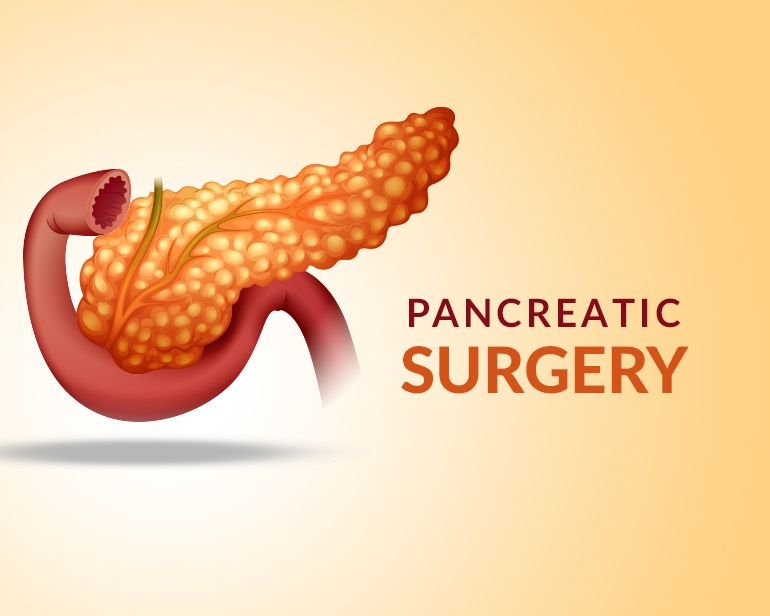
Pancreas surgery involves specialized procedures to treat diseases affecting the pancreas, a vital organ located behind the stomach that plays a key role in digestion and blood sugar regulation. Surgical intervention may be required for conditions such as pancreatic tumors, cysts, chronic pancreatitis, or complications arising from pancreatic inflammation. Depending on the location and severity of the condition, surgery may involve removing a part of the pancreas or, in complex cases, performing more extensive procedures. With advancements in surgical techniques, including minimally invasive and laparoscopic approaches, pancreas surgery today offers improved precision, better safety, and enhanced recovery outcomes.
Causes
Pancreatic conditions that require surgery can arise from both benign and malignant causes. Pancreatic cancer is one of the most serious conditions, often associated with risk factors such as smoking, obesity, diabetes, and a family history of cancer. Chronic pancreatitis, which is long-standing inflammation of the pancreas, may result from alcohol use, gallstones, or genetic factors. Other conditions include pancreatic cysts, neuroendocrine tumors, and trauma. Identifying and managing these risk factors early can help reduce the need for complex surgical intervention.
Symptoms
Symptoms of pancreatic disease can vary depending on the underlying condition but often include persistent abdominal pain that may radiate to the back, unexplained weight loss, loss of appetite, nausea, and fatigue. Patients may also develop jaundice if there is a blockage of the bile duct, along with changes in stool color and digestion. In some cases, symptoms may be mild or absent in the early stages, which can delay diagnosis.
Diagnosis
Diagnosis of pancreatic conditions involves a detailed clinical evaluation supported by advanced imaging techniques. Blood tests, including pancreatic enzyme levels and tumor markers, may be performed. Imaging studies such as ultrasound, CT scan, MRI, or endoscopic ultrasound help identify abnormalities, assess the size and location of lesions, and guide treatment planning. In some cases, a biopsy may be required to confirm the diagnosis.
Treatment Options
Pancreas surgery is tailored to the specific condition and its location within the pancreas. Common procedures include removal of tumors or cysts, partial pancreatectomy, or more complex surgeries such as the Whipple procedure for cancers involving the head of the pancreas. Minimally invasive techniques, including laparoscopic surgery, are increasingly used for suitable cases, offering benefits such as smaller incisions, reduced postoperative pain, shorter hospital stay, and faster recovery. In advanced conditions, surgery may be combined with chemotherapy or other treatments to achieve the best possible outcomes.
Post-Treatment Care
Recovery after pancreas surgery requires careful monitoring and supportive care. Patients may need to follow specific dietary guidelines to aid digestion and may require enzyme supplements if pancreatic function is affected. Gradual return to normal activities is encouraged, along with regular follow-up visits to monitor recovery and overall health. Maintaining a healthy lifestyle, including balanced nutrition and avoiding harmful habits, plays an important role in long-term well-being.
Risks or Complications
Pancreas surgery is complex and may carry certain risks, including infection, bleeding, delayed healing, or leakage from surgical connections. Some patients may experience changes in digestion or blood sugar levels after surgery. However, with experienced surgical expertise and comprehensive postoperative care, these risks are carefully managed, and outcomes continue to improve.
When to See a Doctor
It is important to seek medical attention if you experience persistent abdominal pain, unexplained weight loss, jaundice, or digestive disturbances. Early diagnosis is critical for effective treatment, especially in pancreatic conditions. Consulting an experienced specialist like Dr. Chitterusu Raghuram ensures accurate evaluation, personalized treatment planning, and advanced surgical care for the best possible outcomes.
Explore more:
Explore Our Specialities
Our Services
Don’t Ignore Your Symptoms
Get timely diagnosis and expert treatment for lasting relief.