Colorectal Surgery
Colorectal Surgery
Overview
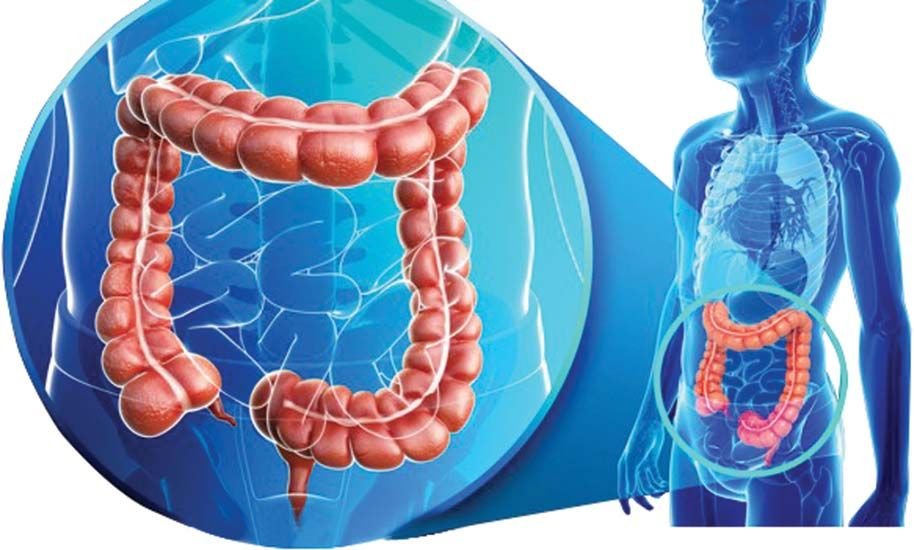
Colorectal surgery focuses on the diagnosis and surgical treatment of conditions affecting the colon, rectum, and anus. These conditions may range from benign disorders such as hemorrhoids and fissures to more complex diseases like colorectal cancer, inflammatory bowel disease, and diverticular disease. Surgical intervention is often recommended when symptoms are severe, persistent, or unresponsive to medical therapy. With the evolution of modern techniques, including minimally invasive and laparoscopic procedures, colorectal surgery today offers improved precision, reduced pain, faster recovery, and better long-term outcomes.
Causes
Colorectal conditions requiring surgery can arise from various causes, including chronic constipation, infections, inflammation, lifestyle factors, and genetic predisposition. Conditions such as colorectal cancer may develop due to long-term dietary habits, smoking, obesity, and family history. Inflammatory bowel diseases like ulcerative colitis and Crohn’s disease can lead to complications requiring surgical management. Other causes include diverticulitis, polyps, and structural abnormalities of the colon and rectum.
Symptoms
Symptoms of colorectal disorders can vary depending on the underlying condition but commonly include changes in bowel habits such as constipation or diarrhea, blood in the stool, abdominal pain, bloating, and unexplained weight loss. Patients may also experience rectal bleeding, discomfort during bowel movements, or a persistent feeling of incomplete evacuation. In more serious conditions, fatigue and anemia may develop due to chronic blood loss.
Diagnosis
Diagnosis involves a detailed clinical assessment followed by specialized investigations. Colonoscopy is one of the most important diagnostic tools, allowing direct visualization of the colon and rectum and enabling biopsy if needed. Additional tests such as blood investigations, CT scans, MRI, or stool tests may be used to identify the cause, assess disease severity, and plan appropriate treatment.
Treatment Options
Treatment depends on the specific condition and its severity. In many cases, surgery is required to remove diseased sections of the colon or rectum, treat complications, or prevent progression of disease. Laparoscopic colorectal surgery is widely preferred for suitable patients, as it involves small incisions and the use of a camera to guide the procedure with precision. This approach offers significant advantages, including less postoperative pain, shorter hospital stay, quicker recovery, and minimal scarring. In certain complex cases, open surgery may be necessary to achieve the best outcome.
Post-Treatment Care
Recovery after colorectal surgery involves careful monitoring and gradual return to normal activities. Patients may need to follow specific dietary guidelines, especially in the initial recovery phase, to support healing and maintain digestive health. Adequate hydration, proper wound care, and adherence to prescribed medications are essential. Follow-up visits help ensure recovery is progressing well and allow early detection of any complications.
Risks or Complications
While colorectal surgery is generally safe, potential risks include infection, bleeding, leakage at surgical connections, or temporary changes in bowel function. Some patients may experience altered bowel habits during the recovery period, which typically improve over time. With experienced surgical care and proper postoperative management, the risk of complications is minimized and outcomes are highly favorable.
When to See a Doctor
You should consult a doctor if you experience persistent changes in bowel habits, blood in the stool, unexplained abdominal pain, or weight loss. Early evaluation is crucial for identifying underlying conditions and initiating timely treatment. Seeking expert care from a skilled specialist like Dr. Chitterusu Raghuram ensures accurate diagnosis and effective management, leading to better health outcomes and improved quality of life.
Explore more:
Explore Our Specialities
Our Services
Don’t Ignore Your Symptoms
Get timely diagnosis and expert treatment for lasting relief.