Laparoscopic Gallbladder Surgery
Laparoscopic Gallbladder Surgery
Overview
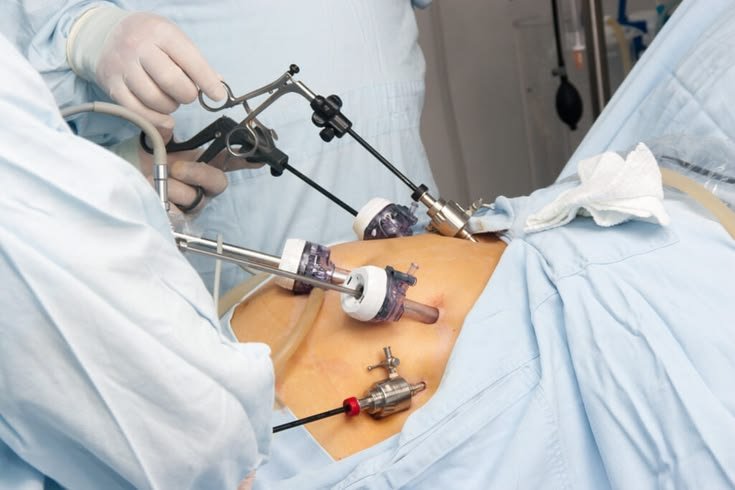
Laparoscopic gallbladder surgery, also called laparoscopic cholecystectomy, is a minimally invasive procedure performed to remove the gallbladder when it causes pain or complications. The gallbladder is a small organ that stores bile to help digest fats, but it is not essential for normal digestion. When it becomes diseased, especially due to gallstones, surgical removal is often the most effective and permanent solution. This modern technique uses small incisions, a camera, and specialized instruments, allowing for precise surgery with minimal discomfort, faster recovery, and better cosmetic results compared to traditional open surgery.
Causes
The most common cause of gallbladder problems is the formation of gallstones, which are hardened deposits made from cholesterol or bilirubin in the bile. These stones can block the bile ducts and lead to inflammation or infection. Risk factors include obesity, high-fat diets, rapid weight loss, diabetes, and a sedentary lifestyle. In addition to gallstones, conditions such as chronic inflammation of the gallbladder, bile duct obstruction, or infections can also lead to the need for surgical treatment.
Symptoms
Patients with gallbladder disease often experience pain in the upper right side of the abdomen, especially after eating fatty foods. This pain may radiate to the back or right shoulder and can last from minutes to hours. Other common symptoms include nausea, vomiting, bloating, indigestion, and a feeling of fullness. In more serious cases, symptoms like fever, chills, and jaundice may occur, indicating infection or blockage that requires urgent medical attention.
Diagnosis
Diagnosis begins with a detailed clinical evaluation and physical examination. Ultrasound is the most commonly used imaging test to detect gallstones and assess gallbladder inflammation. Depending on the situation, additional investigations such as blood tests, CT scans, or MRI may be recommended to identify complications or evaluate surrounding organs like the liver and pancreas.
Treatment Options
Treatment depends on the severity of symptoms and underlying cause, but laparoscopic gallbladder surgery is considered the gold standard for most patients. In this procedure, a few small incisions are made in the abdomen through which a camera and surgical instruments are inserted to remove the gallbladder safely. This approach offers multiple advantages, including less postoperative pain, shorter hospital stay, quicker recovery, and minimal scarring. In rare cases where complications are encountered, the surgeon may convert to open surgery to ensure safety and complete treatment.
Post-Treatment Care
Recovery after laparoscopic surgery is generally quick and smooth. Most patients can return to normal daily activities within a few days to a week. Mild discomfort, bloating, or temporary digestive changes may be experienced initially. A low-fat diet is usually recommended during the early recovery phase, followed by a gradual return to a regular diet. Proper wound care, taking prescribed medications, and attending follow-up visits are important for complete healing and long-term health.
Risks or Complications
Laparoscopic gallbladder surgery is considered safe, but like any surgical procedure, it carries some risks. These may include infection, bleeding, bile leakage, or injury to nearby structures such as the bile ducts or intestines. However, such complications are uncommon, especially when the procedure is performed by an experienced surgical gastroenterologist and with appropriate postoperative care.
When to See a Doctor
You should seek medical attention if you experience persistent abdominal pain, especially after meals, or symptoms such as nausea, vomiting, fever, or yellowing of the skin and eyes. Early evaluation helps prevent complications and ensures timely treatment. Consulting an experienced specialist like Dr. Chitterusu Raghuram can provide accurate diagnosis and effective management, ensuring safe and successful outcomes.
Explore more:
Explore Our Specialities
Our Services
Don’t Ignore Your Symptoms
Get timely diagnosis and expert treatment for lasting relief.