Distal Pancreatectomy with Splenectomy in Hyderabad
Distal Pancreatectomy with Splenectomy in Hyderabad
Overview
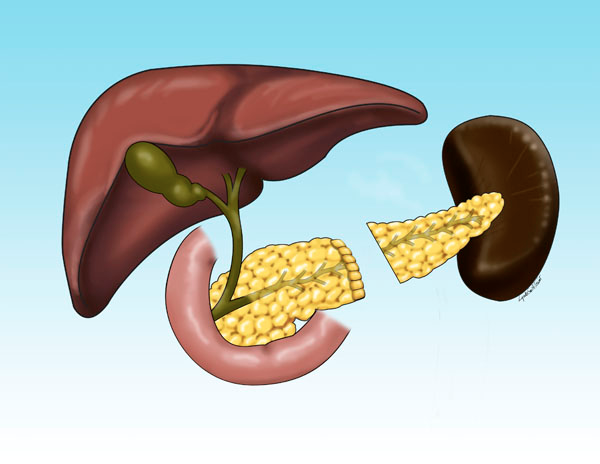
Distal pancreatectomy with splenectomy is a specialized surgical procedure performed to remove the tail and sometimes the body of the pancreas along with the spleen. This operation is commonly recommended for patients with tumors, cystic lesions, or chronic inflammatory conditions affecting the distal pancreas. With advancements in minimally invasive techniques, including laparoscopic and robotic surgery, the procedure has become safer, more precise, and associated with faster recovery. In Hyderabad, this surgery is performed with a multidisciplinary approach, ensuring patients receive comprehensive evaluation, expert surgical care, and structured post-operative support for optimal outcomes.
Causes
This procedure is typically indicated when there are abnormal growths or diseases affecting the distal part of the pancreas. Common causes include pancreatic tumors (both benign and malignant), pancreatic cysts with malignant potential, neuroendocrine tumors, and chronic pancreatitis that does not respond to medical treatment. In some cases, trauma to the pancreas or complications from previous pancreatic conditions may also necessitate surgical removal. When the disease involves or is closely related to the splenic vessels, removal of the spleen becomes necessary to ensure complete and safe excision.
Symptoms
Patients requiring distal pancreatectomy with splenectomy may present with a range of symptoms, depending on the underlying condition. Persistent upper abdominal pain that may radiate to the back is a common complaint. Some individuals experience unexplained weight loss, loss of appetite, nausea, or digestive disturbances. In cases involving tumors, symptoms such as jaundice (though less common in distal lesions), fatigue, or newly diagnosed diabetes may be observed. Occasionally, these conditions are detected incidentally during imaging for unrelated health concerns.
Diagnosis
Accurate diagnosis is essential before proceeding with surgery. Evaluation typically begins with detailed imaging studies such as contrast-enhanced CT scans or MRI of the abdomen to assess the pancreas and surrounding structures. Endoscopic ultrasound (EUS) may be used for closer examination and guided biopsy when required. Blood tests, including tumor markers, and assessment of pancreatic function also play a role in the diagnostic process. A multidisciplinary team reviews all findings to determine the appropriateness of surgery and to plan the safest and most effective approach.
Treatment Options
Distal pancreatectomy with splenectomy is the definitive treatment for many conditions affecting the pancreatic tail. Depending on the case, the procedure may be performed using open surgery or minimally invasive techniques such as laparoscopy or robotic-assisted surgery. Minimally invasive approaches are increasingly preferred due to smaller incisions, reduced pain, and quicker recovery times. During the procedure, the diseased portion of the pancreas is carefully removed along with the spleen, and surrounding structures are preserved as much as possible. The surgical plan is individualized to ensure complete disease removal while maintaining patient safety.
Post-Treatment Care
Recovery after surgery involves close monitoring and gradual return to normal activities. Patients are typically advised to follow a balanced diet tailored to support pancreatic function and digestion. Enzyme supplements may be prescribed if needed. Since the spleen plays a role in immunity, patients who undergo splenectomy require vaccinations to protect against certain infections. Regular follow-up visits are essential to monitor recovery, manage any metabolic changes such as blood sugar levels, and ensure long-term well-being. With proper care, most patients can resume a good quality of life.
Risks or Complications
Like any major surgical procedure, distal pancreatectomy with splenectomy carries certain risks. These may include bleeding, infection, delayed gastric emptying, or leakage of pancreatic fluid (pancreatic fistula). Removal of the spleen increases susceptibility to specific infections, making preventive vaccination and awareness important. There may also be changes in digestion or glucose metabolism in some patients. However, with experienced surgical expertise and modern perioperative care, the risk of complications is significantly minimized.
When to See a Doctor
It is important to seek medical attention if you experience persistent abdominal pain, unexplained weight loss, digestive issues, or any symptoms suggestive of pancreatic disease. Early consultation allows timely diagnosis and appropriate management before the condition progresses. Patients diagnosed with pancreatic lesions or chronic pancreatitis should consult a specialist in surgical gastroenterology to explore treatment options. Prompt evaluation and expert care can significantly improve outcomes and ensure a safer surgical journey.
This comprehensive approach to distal pancreatectomy with splenectomy in Hyderabad emphasizes precision, safety, and patient-centered care, ensuring that individuals receive the highest standard of treatment tailored to their condition.
Explore more:
Explore Our Specialities
Area of Interest
Don’t Ignore Your Symptoms
Get timely diagnosis and expert treatment for lasting relief.