Liver Surgery
Liver Surgery
Overview
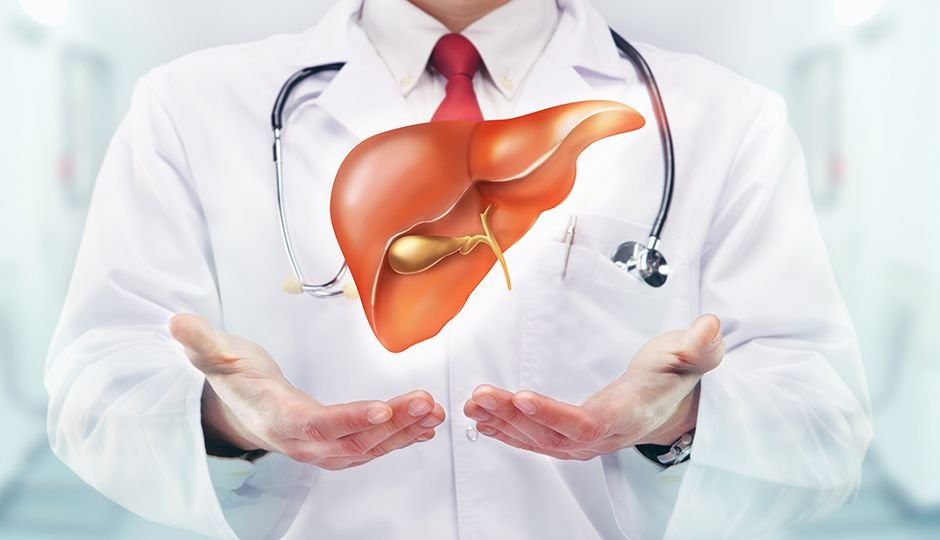
Liver surgery involves specialized procedures performed to treat a wide range of conditions affecting the liver, one of the body’s most vital organs responsible for metabolism, detoxification, and bile production. Surgical intervention may be required for liver tumors, cysts, infections, trauma, or complications of chronic liver disease. Depending on the condition, the surgery may involve removing a portion of the liver (hepatectomy) or treating localized abnormalities while preserving healthy tissue. With advancements in medical technology, many liver surgeries are now performed using minimally invasive and laparoscopic techniques, offering improved precision, faster recovery, and better patient outcomes.
Causes
Liver conditions requiring surgery can arise from both benign and malignant causes. Common indications include liver cancers (primary or metastatic), non-cancerous tumors, liver cysts, and abscesses. Chronic liver diseases such as cirrhosis, hepatitis infections, and fatty liver disease can increase the risk of complications that may eventually require surgical management. Lifestyle factors such as alcohol consumption, obesity, and metabolic disorders also contribute to liver-related conditions. Early identification and management of these risk factors are essential in preventing disease progression.
Symptoms
Symptoms of liver disease can be subtle in the early stages but may become more pronounced as the condition progresses. Patients may experience abdominal pain or discomfort, particularly in the upper right side, along with fatigue, loss of appetite, nausea, and unexplained weight loss. Other signs include jaundice (yellowing of the skin and eyes), swelling in the abdomen, and dark-colored urine. In some cases, liver tumors may not produce noticeable symptoms and are detected during routine investigations.
Diagnosis
Diagnosis involves a comprehensive evaluation that includes clinical assessment, blood tests to assess liver function, and imaging studies such as ultrasound, CT scan, or MRI to identify abnormalities. In certain cases, a biopsy may be performed to confirm the nature of the lesion. Advanced imaging helps determine the size, location, and extent of the disease, which is crucial for planning an effective surgical approach.
Treatment Options
Liver surgery is tailored to the specific condition and the patient’s overall health. Surgical options may include removal of a portion of the liver containing the tumor or lesion, drainage of abscesses, or resection of cysts. The liver has a unique ability to regenerate, which allows surgeons to safely remove affected portions while preserving adequate liver function. Minimally invasive techniques, including laparoscopic liver surgery, are increasingly used in suitable cases, providing benefits such as smaller incisions, reduced pain, shorter hospital stay, and quicker recovery. In certain complex conditions, open surgery may be necessary to achieve the best results.
Post-Treatment Care
Recovery after liver surgery requires careful monitoring and supportive care. Patients may need to stay in the hospital for a few days for observation, especially after major procedures. Gradual return to normal activities is encouraged, along with a balanced diet that supports liver health. Avoiding alcohol, maintaining a healthy lifestyle, and adhering to medical advice are essential for long-term recovery. Regular follow-up visits help monitor liver function and detect any recurrence or complications early.
Risks or Complications
As with any major surgery, liver surgery carries certain risks, including infection, bleeding, bile leakage, or temporary liver dysfunction. The complexity of the procedure and the patient’s underlying liver condition may influence the risk level. However, with experienced surgical expertise and advanced medical care, these risks are carefully managed, and outcomes are generally favorable.
When to See a Doctor
It is important to consult a doctor if you experience persistent abdominal discomfort, jaundice, unexplained weight loss, or any symptoms suggestive of liver disease. Early diagnosis plays a crucial role in effective treatment and better outcomes. Seeking expert care from a skilled specialist like Dr. Chitterusu Raghuram ensures comprehensive evaluation, precise treatment planning, and high-quality surgical care tailored to each patient’s needs.
Explore more:
Explore Our Specialities
Our Services
Don’t Ignore Your Symptoms
Get timely diagnosis and expert treatment for lasting relief.