PSRS (Proximal Splenorenal Shunt) Surgery in Hyderabad
PSRS (Proximal Splenorenal Shunt) Surgery in Hyderabad
Overview
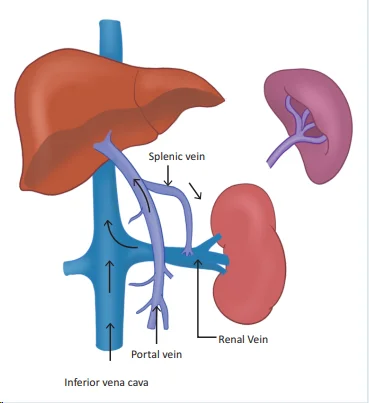
Proximal Splenorenal Shunt (PSRS) surgery is a well-established procedure used to manage complications of portal hypertension, particularly in patients with liver-related conditions where pressure in the portal vein becomes abnormally high. This increased pressure can lead to serious complications such as variceal bleeding, which can be life-threatening if not addressed promptly. PSRS surgery works by diverting blood flow from the high-pressure portal vein system to the lower-pressure renal vein, thereby reducing the risk of bleeding and improving overall circulation. In Hyderabad, this procedure is performed using advanced surgical techniques with a focus on safety, precision, and long-term outcomes, especially in specialized gastroenterology centers.
Causes
The need for PSRS surgery typically arises from portal hypertension, which is most commonly caused by chronic liver diseases such as cirrhosis. Other contributing factors include portal vein thrombosis, schistosomiasis, and certain congenital abnormalities affecting the liver or blood vessels. In some patients, non-cirrhotic portal fibrosis can also lead to increased portal pressure. When medical and endoscopic treatments fail to control complications like recurrent variceal bleeding, surgical intervention such as PSRS becomes a necessary and effective option.
Symptoms
Patients who may require PSRS surgery often present with symptoms related to portal hypertension. These can include recurrent episodes of vomiting blood (hematemesis), black tarry stools (melena), abdominal swelling due to fluid accumulation (ascites), and an enlarged spleen (splenomegaly). Fatigue, weakness, and signs of anemia may also be present due to chronic blood loss. In many cases, symptoms may not appear until complications arise, making early evaluation and monitoring crucial for patients with known liver disease.
Diagnosis
Diagnosis involves a combination of clinical evaluation, imaging studies, and endoscopic assessment. Blood tests help evaluate liver function and detect anemia or clotting abnormalities. Imaging techniques such as ultrasound, Doppler studies, CT scans, or MRI are used to assess blood flow in the portal venous system and identify any blockages or structural abnormalities. Upper gastrointestinal endoscopy plays a key role in detecting esophageal or gastric varices and assessing the risk of bleeding. These diagnostic tools collectively help determine whether a patient is a suitable candidate for PSRS surgery.
Treatment Options
Treatment for portal hypertension depends on the severity of the condition and the presence of complications. Initial management typically includes medications such as beta-blockers to reduce portal pressure and endoscopic procedures like band ligation or sclerotherapy to control bleeding. When these approaches are insufficient or when bleeding recurs, surgical options like PSRS are considered. PSRS is particularly beneficial for patients with preserved liver function, as it effectively reduces portal pressure while maintaining adequate blood flow to the liver. In selected cases, alternative procedures such as Transjugular Intrahepatic Portosystemic Shunt (TIPS) may also be considered, but PSRS remains a durable and effective surgical solution for long-term management.
Post-Treatment Care
Recovery after PSRS surgery involves careful monitoring and supportive care to ensure optimal healing and prevent complications. Patients are typically advised to follow a balanced diet, maintain adequate hydration, and avoid alcohol or substances that may harm the liver. Regular follow-up visits are essential to monitor liver function, assess shunt patency, and detect any early signs of complications. Medications may be prescribed to support liver health and prevent infections. Gradual return to normal activities is encouraged based on the patient’s recovery progress and overall health status.
Risks or Complications
Like any major surgical procedure, PSRS surgery carries certain risks, although it is generally considered safe in experienced hands. Potential complications include bleeding, infection, shunt thrombosis, and changes in liver function. In some cases, patients may develop hepatic encephalopathy, a condition caused by the buildup of toxins affecting brain function. However, careful patient selection, meticulous surgical technique, and comprehensive post-operative care significantly reduce the likelihood of these complications.
When to See a Doctor
Patients with known liver disease or symptoms suggestive of portal hypertension should seek medical evaluation promptly, especially if they experience vomiting of blood, black stools, or persistent abdominal swelling. Early consultation with a surgical gastroenterologist is essential for timely diagnosis and appropriate management. If there is a history of recurrent variceal bleeding or failure of medical treatments, discussing advanced options like PSRS surgery can be life-saving. Regular monitoring and proactive care play a crucial role in preventing serious complications and improving long-term outcomes.
Explore more:
Explore Our Specialities
Area of Interest
Don’t Ignore Your Symptoms
Get timely diagnosis and expert treatment for lasting relief.