Acid Reflux / GERD
Acid Reflux / GERD
Overview
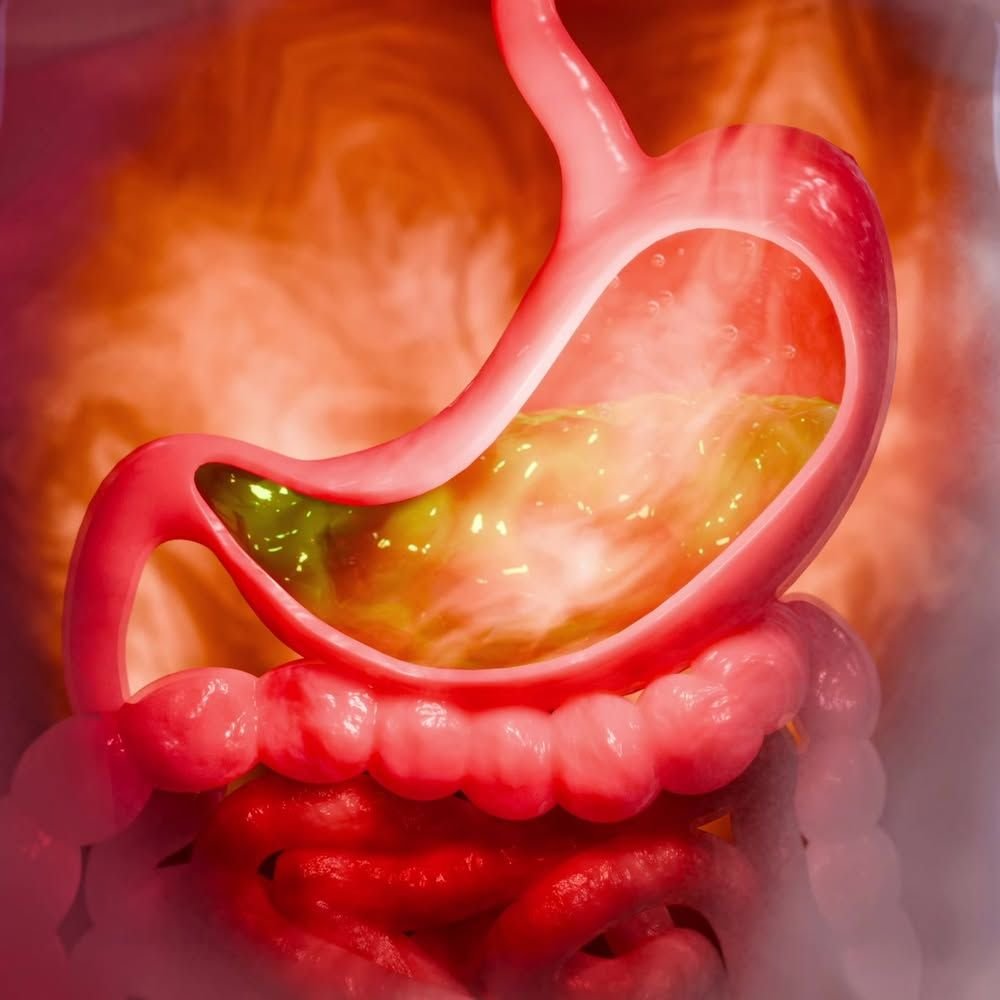
Acid reflux, medically known as gastroesophageal reflux disease (GERD), is a common digestive condition in which stomach acid frequently flows back into the esophagus. This backflow irritates the lining of the esophagus and can lead to discomfort and long-term complications if not treated properly. While occasional acid reflux is common, GERD is diagnosed when symptoms occur regularly and interfere with daily life. With appropriate medical care and lifestyle changes, GERD can be effectively managed, and in advanced cases, surgical treatment may be recommended.
Causes
GERD typically occurs due to a weakness or relaxation of the lower esophageal sphincter, the valve that separates the stomach from the esophagus. When this valve does not function properly, acid flows backward into the esophagus. Contributing factors include obesity, consumption of fatty or spicy foods, smoking, alcohol intake, and certain medications. Conditions such as hiatal hernia may also increase the risk of developing GERD. Long-standing reflux can lead to complications like inflammation or changes in the esophageal lining.
Symptoms
The most common symptom of GERD is a burning sensation in the chest, often referred to as heartburn, which may worsen after meals or when lying down. Patients may also experience regurgitation of sour or bitter fluid, difficulty swallowing, chest discomfort, chronic cough, or a sensation of a lump in the throat. In some cases, persistent hoarseness or throat irritation may occur due to repeated acid exposure.
Diagnosis
Diagnosis is based on clinical evaluation and may be supported by investigations such as endoscopy, which allows direct visualization of the esophagus and stomach. Additional tests like pH monitoring or esophageal manometry may be recommended to assess acid levels and muscle function. These tests help determine the severity of GERD and guide appropriate treatment.
Treatment Options
Treatment of GERD typically begins with lifestyle modifications and medications that reduce acid production. Patients are advised to avoid trigger foods, maintain a healthy weight, and adopt habits such as eating smaller meals and avoiding lying down immediately after eating. When symptoms persist despite medical treatment, surgical intervention may be considered. Laparoscopic fundoplication is a commonly performed procedure in which the upper part of the stomach is wrapped around the lower esophagus to strengthen the valve and prevent acid reflux. This minimally invasive approach offers long-term relief with faster recovery and minimal discomfort.
Post-Treatment Care
After surgical treatment, patients are advised to follow a gradual dietary plan, starting with soft foods and progressing to a normal diet. Maintaining healthy lifestyle habits is important to support long-term results. Most patients can resume normal activities within a short period, with significant improvement in symptoms. Regular follow-up ensures proper healing and monitoring of outcomes.
Risks or Complications
GERD surgery is generally safe, but like any procedure, it carries some risks, including difficulty swallowing, bloating, or recurrence of symptoms in rare cases. Surgical risks such as infection or bleeding are uncommon. With experienced surgical care, these risks are minimized, and most patients achieve excellent symptom control.
When to See a Doctor
You should consult a doctor if you experience frequent heartburn, regurgitation, or difficulty swallowing, especially if symptoms persist despite lifestyle changes or medications. Early evaluation helps prevent complications such as esophageal damage. Seeking care from an experienced specialist like Dr. Chitterusu Raghuram ensures accurate diagnosis and effective, personalized treatment for long-term relief.
Explore more:
Explore Our Specialities
Conditions Treated
Don’t Ignore Your Symptoms
Get timely diagnosis and expert treatment for lasting relief.