Colorectal Cancer
Colorectal Cancer
Overview
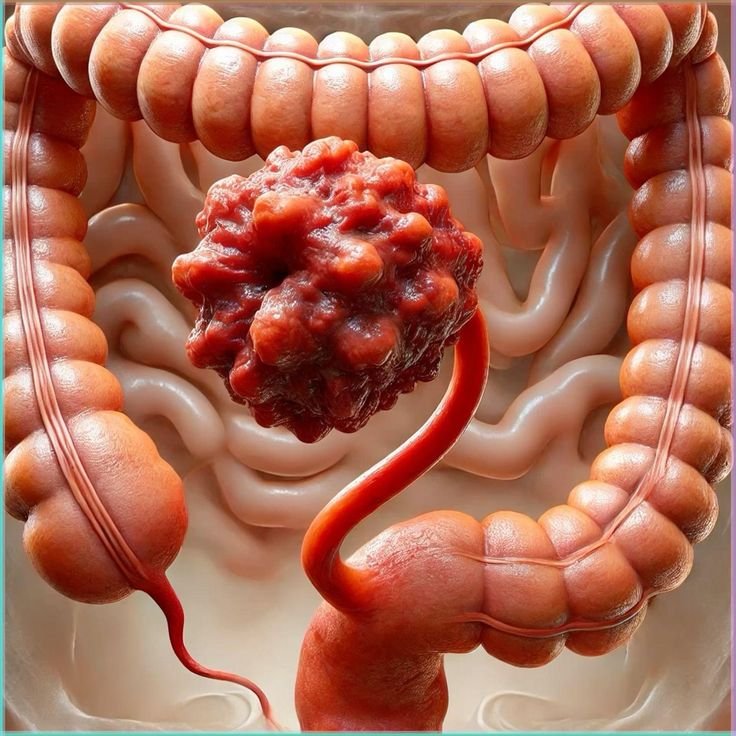
Colorectal Cancer is a type of cancer that begins in the large intestine (colon), which is an essential part of the digestive system. It often develops slowly over time, usually starting as small, non-cancerous growths called polyps that can gradually turn into cancer if left untreated. Early detection plays a critical role in successful treatment and improved survival. With advances in medical science, colon cancer can be effectively managed through a combination of surgery, chemotherapy, and other targeted therapies, depending on the stage of the disease.
Causes
Colorectal Cancer can arise due to a combination of genetic and lifestyle factors. Common risk factors include a diet high in processed or red meat, low fiber intake, obesity, smoking, excessive alcohol consumption, and lack of physical activity. A family history of colorectal cancer or inherited genetic conditions also increases risk. Chronic inflammatory conditions of the colon, such as ulcerative colitis or Crohn’s disease, can further contribute to the development of cancer over time.
Symptoms
Symptoms of Colorectal Cancer may not be noticeable in the early stages, but as the disease progresses, patients may experience changes in bowel habits such as persistent constipation or diarrhea, blood in the stool, abdominal pain or cramping, unexplained weight loss, and fatigue. Some individuals may also experience a feeling of incomplete bowel emptying. Because these symptoms can overlap with other conditions, timely evaluation is essential.
Diagnosis
Diagnosis involves a combination of clinical evaluation and specialized tests. Colonoscopy is the most effective diagnostic tool, allowing direct visualization of the colon and removal or biopsy of suspicious polyps. Imaging studies such as CT scans or MRI help determine the extent of the disease and whether it has spread. Blood tests, including tumor markers, may also support diagnosis and monitoring.
Treatment Options
Surgery is the primary treatment for colon cancer, especially in early and localized stages. The procedure involves removing the cancerous portion of the colon along with nearby lymph nodes to prevent spread. Minimally invasive techniques, including laparoscopic surgery, are widely used for suitable patients, offering benefits such as smaller incisions, less pain, faster recovery, and shorter hospital stay. In more advanced stages, surgery may be combined with chemotherapy or radiation therapy to achieve the best outcomes. Treatment plans are carefully personalized based on the patient’s condition.
Post-Treatment Care
Recovery after Colorectal Cancer surgery involves gradual return to normal activities, along with careful attention to diet and overall health. Patients may need to follow specific dietary guidelines and attend regular follow-up visits to monitor for recurrence. Lifestyle changes such as maintaining a healthy weight, eating a balanced diet, and staying physically active contribute to long-term health and recovery.
Risks or Complications
As with any major surgery, Colorectal Cancer surgery carries certain risks, including infection, bleeding, or complications related to the surgical connection of the intestine. Some patients may experience temporary changes in bowel habits during recovery. However, with experienced surgical care and proper postoperative management, these risks are minimized and outcomes are generally positive.
When to See a Doctor
You should consult a doctor if you notice persistent changes in bowel habits, blood in the stool, unexplained weight loss, or ongoing abdominal discomfort. Early screening and timely diagnosis significantly improve treatment success. Seeking expert care from a specialist like Dr. Chitterusu Raghuram ensures accurate diagnosis, advanced treatment, and comprehensive care for the best possible outcomes.
Explore more:
Explore Our Specialities
Conditions Treated
Don’t Ignore Your Symptoms
Get timely diagnosis and expert treatment for lasting relief.