Hepaticojejunostomy Surgery in Hyderabad
Hepaticojejunostomy Surgery in Hyderabad
Overview
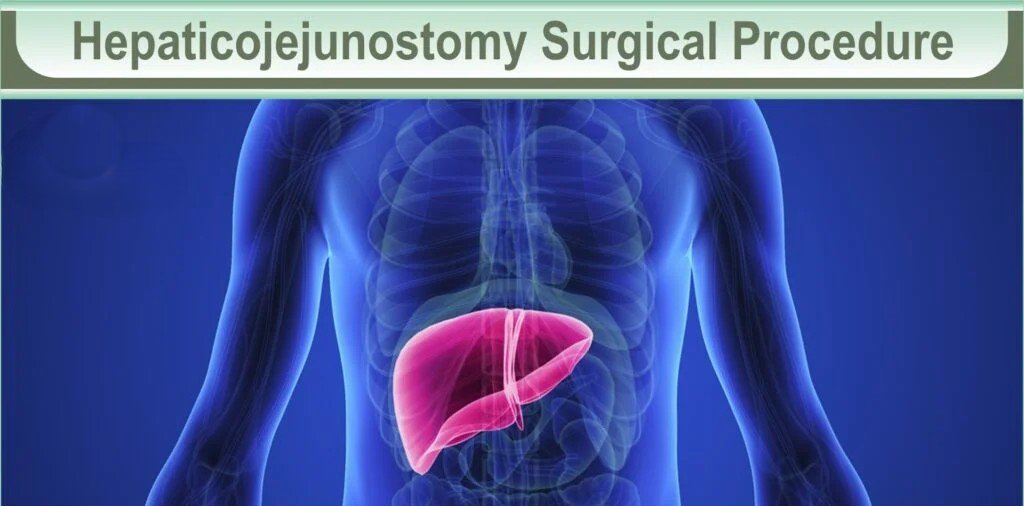
Hepaticojejunostomy is a specialized surgical procedure performed to restore bile flow from the liver to the small intestine when the normal bile ducts are damaged, blocked, or absent. This surgery involves connecting the hepatic duct directly to a segment of the small intestine (jejunum), allowing bile to bypass the obstructed or injured portion of the biliary system. It is commonly recommended in complex biliary conditions and is considered a definitive solution in many cases. In Hyderabad, this procedure is performed using advanced surgical techniques, including minimally invasive approaches where suitable, ensuring improved outcomes and faster recovery.
Causes
Hepaticojejunostomy is typically required when there is a disruption in the normal bile drainage system. This can occur due to bile duct injuries during gallbladder surgery, strictures (narrowing) of the bile ducts, congenital abnormalities such as biliary atresia, or tumors affecting the bile ducts or pancreas. Chronic inflammation, recurrent infections, or previous surgeries can also lead to scarring and obstruction, necessitating reconstructive procedures like hepaticojejunostomy.
Symptoms
Patients requiring this surgery often present with symptoms related to impaired bile flow. These may include persistent jaundice (yellowing of the skin and eyes), dark urine, pale stools, itching, abdominal pain, and recurrent episodes of fever due to infections like cholangitis. In some cases, patients may experience unexplained weight loss or digestive discomfort, particularly when the condition is associated with underlying tumors or chronic obstruction.
Diagnosis
A thorough evaluation is essential to determine the need for hepaticojejunostomy. Diagnosis typically involves a combination of blood tests to assess liver function and imaging studies such as ultrasound, CT scan, or MRI. Specialized imaging techniques like MRCP (Magnetic Resonance Cholangiopancreatography) or ERCP (Endoscopic Retrograde Cholangiopancreatography) help visualize the bile ducts in detail. These investigations allow the surgeon to identify the exact location and cause of the obstruction and plan the most appropriate surgical approach.
Treatment Options
Hepaticojejunostomy is considered when less invasive treatments, such as endoscopic stenting or dilation, are not feasible or have failed. The surgery can be performed through open or laparoscopic methods, depending on the complexity of the condition and the patient’s overall health. The goal is to create a durable and wide connection between the bile duct and the intestine to ensure long-term bile drainage. In experienced hands, this procedure offers excellent outcomes, particularly in benign conditions and selected malignant cases where palliation is required.
Post-Treatment Care
Recovery after hepaticojejunostomy involves careful monitoring and supportive care. Patients are usually advised to follow a balanced diet, gradually progressing from liquids to solid foods. Regular follow-up visits are essential to assess liver function and ensure that the bile flow remains unobstructed. Maintaining good hydration, adhering to prescribed medications, and promptly reporting any unusual symptoms are key aspects of post-operative care. With proper guidance, most patients are able to return to normal daily activities within a few weeks.
Risks or Complications
As with any major surgery, hepaticojejunostomy carries certain risks. These may include infection, bleeding, bile leakage, or delayed gastric emptying. In some cases, patients may develop strictures at the surgical connection over time, which may require further intervention. However, with advanced surgical techniques and experienced care, the likelihood of complications is significantly reduced, and most patients experience long-term relief from symptoms.
When to See a Doctor
It is important to seek medical attention if you experience persistent jaundice, recurrent abdominal pain, unexplained fever, or symptoms suggestive of bile duct obstruction. Early evaluation can prevent complications and allow timely intervention. Patients who have undergone previous gallbladder or bile duct surgery and develop new symptoms should consult a specialist without delay. Expert surgical assessment ensures accurate diagnosis and personalized treatment planning for the best possible outcome.
Explore more:
Explore Our Specialities
Area of Interest
Don’t Ignore Your Symptoms
Get timely diagnosis and expert treatment for lasting relief.