Hernia Surgery
Hernia Surgery
Overview
Hernia surgery is a commonly performed procedure designed to repair a weakness or defect in the abdominal wall through which internal tissues or organs may protrude. Hernias can occur in different regions such as the groin (inguinal hernia), abdomen (umbilical or incisional hernia), or upper stomach area (hiatal hernia). While some hernias may initially be painless, they tend to enlarge over time and can lead to discomfort or complications if left untreated. Surgical repair is the only definitive treatment, and with modern techniques, it is safe, effective, and associated with excellent long-term outcomes.
Causes
Hernias develop when there is a combination of muscle weakness and increased pressure within the abdomen. This may be due to factors such as heavy lifting, chronic coughing, constipation, obesity, pregnancy, or previous surgical incisions. Some individuals may also have a natural weakness in the abdominal wall from birth. Common types include inguinal hernia, which is more frequent in men, umbilical hernia around the navel, and incisional hernia occurring at the site of previous surgeries.
Symptoms
The most noticeable symptom of a hernia is a visible bulge or swelling in the affected area, which may become more prominent when standing, coughing, or straining. Patients often experience a dull ache, pressure, or discomfort, especially during physical activity. In some cases, there may be a burning sensation or heaviness. Severe pain, nausea, vomiting, or inability to push the bulge back may indicate a complication such as strangulation, which requires immediate medical attention.
Diagnosis
Diagnosis of a hernia is usually straightforward and begins with a physical examination. The doctor may ask the patient to stand or cough to observe the hernia more clearly. In certain cases, imaging tests such as ultrasound, CT scan, or MRI may be recommended to confirm the diagnosis, assess the size of the hernia, and plan appropriate treatment.
Treatment Options
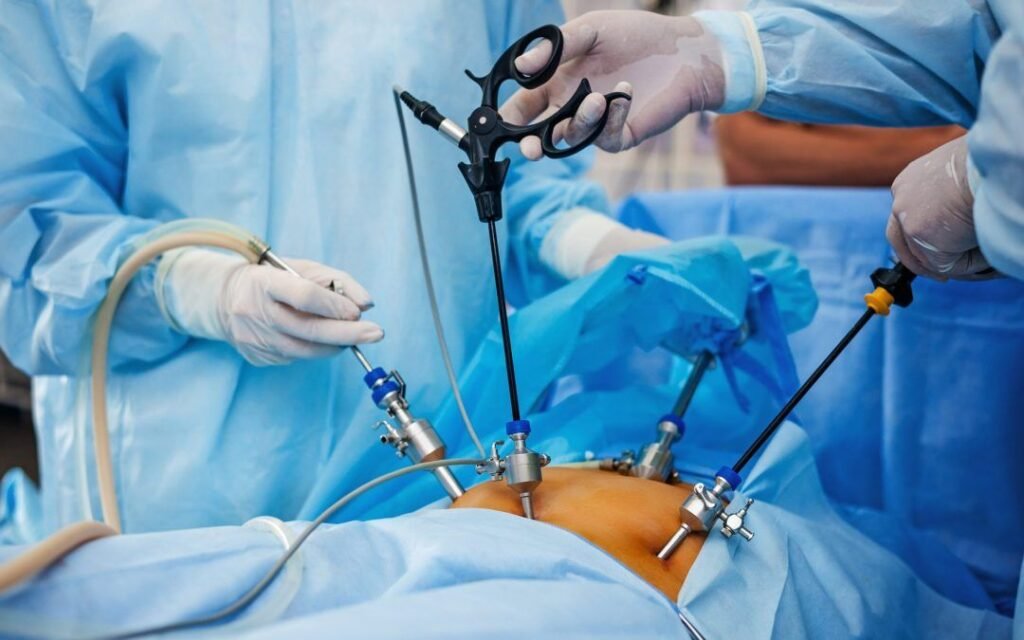
Surgical repair is the only permanent solution for hernias. Depending on the type, size, and patient’s condition, the procedure can be performed using either open surgery or laparoscopic (minimally invasive) techniques. Laparoscopic hernia repair involves small incisions through which a camera and specialized instruments are inserted. A mesh is typically placed to strengthen the weakened area and prevent recurrence. This approach offers several benefits, including reduced pain, faster recovery, minimal scarring, and an early return to normal activities. Open surgery may be recommended in certain complex or large hernias to ensure optimal results.
Post-Treatment Care
Recovery after hernia surgery is generally smooth, especially with laparoscopic techniques. Patients are usually encouraged to walk and perform light activities soon after surgery. Mild discomfort or swelling at the surgical site is common and gradually improves. Avoiding heavy lifting and strenuous activities for a few weeks is important to allow proper healing. Maintaining a healthy diet, preventing constipation, and following medical advice during follow-up visits help ensure long-term success.
Risks or Complications
Hernia surgery is safe, but like any surgical procedure, it carries some risks. These may include infection, bleeding, pain at the surgical site, or recurrence of the hernia. In rare cases, complications related to the mesh or injury to surrounding structures may occur. However, with proper surgical expertise and postoperative care, the risk of complications is low and outcomes are highly successful.
When to See a Doctor
It is advisable to consult a doctor if you notice a persistent swelling or bulge in the abdomen or groin, especially if it increases in size or causes discomfort. Immediate medical attention is required if the hernia becomes painful, tender, or cannot be pushed back, or if symptoms such as nausea and vomiting develop. Early diagnosis and timely surgical intervention by an experienced specialist like Dr. Chitterusu Raghuram ensure effective treatment and prevent serious complications.
Explore more:
Explore Our Specialities
Our Services
Don’t Ignore Your Symptoms
Get timely diagnosis and expert treatment for lasting relief.