Distal Pancreatectomy with Splenectomy in Hyderabad: Procedure, Benefits, and Recovery
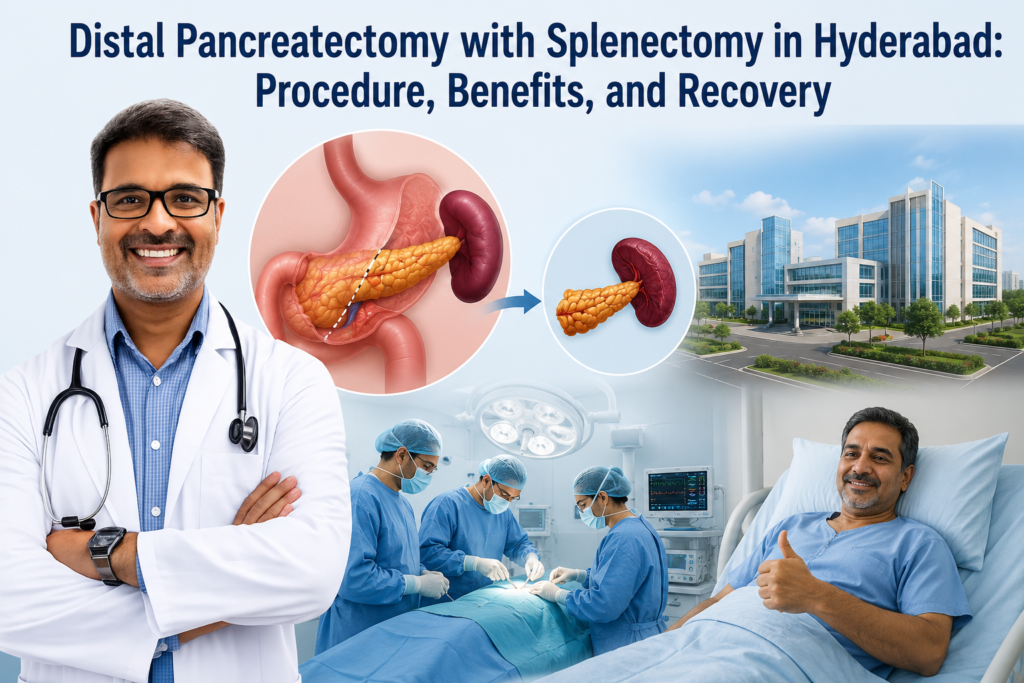
Overview Navigating diseases of the pancreas can be a challenging journey for patients and their families, often requiring highly specialized surgical intervention. Among the advanced surgical options available, distal pancreatectomy with splenectomy stands out as a critical procedure designed to address conditions affecting the tail and body of the pancreas. The pancreas, a vital organ situated behind the stomach, plays a dual role in producing digestive enzymes and regulating blood sugar through insulin secretion. When a lesion, tumor, or chronic inflammation compromises the left side of this organ, surgical removal becomes necessary to preserve long-term health. For patients seeking advanced medical care, undergoing Distal Pancreatico Splenectomy Surgery in Hyderabad provides access to state-of-the-art healthcare infrastructure and highly accomplished surgical experts dedicated to achieving optimal clinical outcomes. When is Distal Pancreatectomy with Splenectomy Surgery Needed? This specialized surgical intervention is primarily recommended when diagnostic imaging reveals abnormalities isolated to the body or tail of the pancreas. The most common indication for this procedure is the presence of pancreatic tumors, which may be benign, precancerous, or malignant, such as pancreatic adenocarcinoma or neuroendocrine tumors. Additionally, large cystic neoplasms, including mucinous cystic neoplasms and intraductal papillary mucinous tumors, often necessitate removal to eliminate the risk of malignant transformation. Patients suffering from severe chronic pancreatitis localized to the tail, or those who have sustained severe trauma to the left side of the abdomen, may also require this surgery. When exploring treatment options, consulting an experienced Surgical Gastroenterologist in Hyderabad ensures an accurate diagnosis and a personalized surgical roadmap tailored to the specific nature and stage of the disease. Procedure Explained Understanding the technical aspects of the surgery can significantly alleviate patient anxiety and help them prepare for the operating room. The procedure begins with the patient under general anesthesia, ensuring complete comfort throughout the operation. The surgeon accesses the abdominal cavity either through a traditional open incision or via minimally invasive techniques, such as laparoscopic or robotic surgery, depending on the tumor’s size and characteristics. During the operation, the surgeon carefully dissects and removes the diseased tail and body of the pancreas, while preserving the healthy head of the organ. Because the splenic artery and vein run in close proximity to the pancreas, the spleen is typically removed during the same procedure to ensure a complete clearance of the affected tissues and associated lymph nodes. Once the resection is complete, the pancreatic remnant is securely closed using advanced surgical staplers or sutures, and specialized abdominal drains may be placed temporarily to monitor for any postoperative fluid collection before the main incisions are meticulously closed. Benefits of Distal Pancreatectomy with Splenectomy Surgery The primary benefit of undergoing this comprehensive surgical procedure is the definitive removal of diseased, precancerous, or malignant tissue, which significantly halts the progression of serious pancreatic conditions. By eliminating local tumors or chronic inflammatory masses, the surgery effectively addresses severe abdominal pain, back pain, and digestive issues that frequently diminish a patient’s quality of life. In cases of early-stage pancreatic malignancies, this operation offers the best chance for long-term survival and potential cure, especially when combined with systemic oncological therapies. Furthermore, choosing to undergo Distal Pancreatectomy Splenectomy Surgery in Hyderabad allows patients to benefit from modern surgical approaches, such as laparoscopy, which drastically reduce intraoperative blood loss, minimize postoperative scarring, and lower the incidence of wound complications. Recovery After Surgery The recovery phase is a gradual process that requires patience, adherence to medical guidance, and active participation from the patient. Following the operation, patients typically spend a few days in the hospital, where medical staff closely monitor vital signs, manage post-operative pain, and track early mobilization. In the initial weeks at home, patients are advised to consume small, frequent, and easily digestible meals to allow the remaining portion of the pancreas to adapt to its metabolic workload. Physical activity should be restricted to light walking, while heavy lifting and strenuous exercises must be avoided for several weeks to ensure proper deep-tissue healing. Regular follow-up appointments are scheduled to monitor blood sugar levels, assess nutritional absorption, and manage the removal of any temporary surgical drains, ensuring a safe and well-supported return to daily routines. Risks and Considerations As with any major abdominal intervention, it is essential for patients to understand the risks and physiological changes associated with a distal pancreatico-splenectomy. One of the primary surgical risks is a pancreatic fistula, which occurs when digestive enzymes leak from the surgical closure site of the remaining pancreas, though this is often manageable with temporary drains. Additionally, because the spleen plays a pivotal role in filtering blood and protecting the body against encapsulated bacterial infections, its removal leaves the patient with a lifelong increased vulnerability to certain infections. To mitigate this risk, patients receive a comprehensive regimen of vaccinations prior to or shortly after the surgery, alongside medical guidance on managing fevers promptly. Over the long term, depending on the volume of tissue removed, some patients may experience changes in digestion or develop new-onset diabetes, which requires careful management with lifestyle adjustments, enzymes, or insulin. When to Consult a Specialist Timely intervention is paramount when dealing with pancreatic disorders, as early detection dramatically influences the success of surgical outcomes. Patients experiencing unexplained weight loss, persistent abdominal pain radiating to the back, new-onset diabetes without a clear family history, or signs of jaundice should seek immediate medical evaluation. A comprehensive assessment involving blood work, high-resolution CT scans, or MRIs can pinpoint the exact nature of the problem. Consult Dr. Chitterusu Raghuram a skilled Surgical Gastroenterologist in Hyderabad allows patients to benefit from advanced diagnostic modalities, expert clinical judgment, and an integrated multidisciplinary approach to complex hepatobiliary diseases. Conclusion Distal pancreatico-splenectomy is a highly sophisticated, life-saving procedure that offers a definitive solution for various complex disorders affecting the body and tail of the pancreas. While the surgery involves a significant anatomical transition, meticulous surgical execution combined with comprehensive post-operative care enables patients to achieve excellent long-term recovery and an improved quality of life. Choosing an experienced specialist
Hepaticojejunostomy in Hyderabad: Advanced Treatment for Bile Duct Conditions
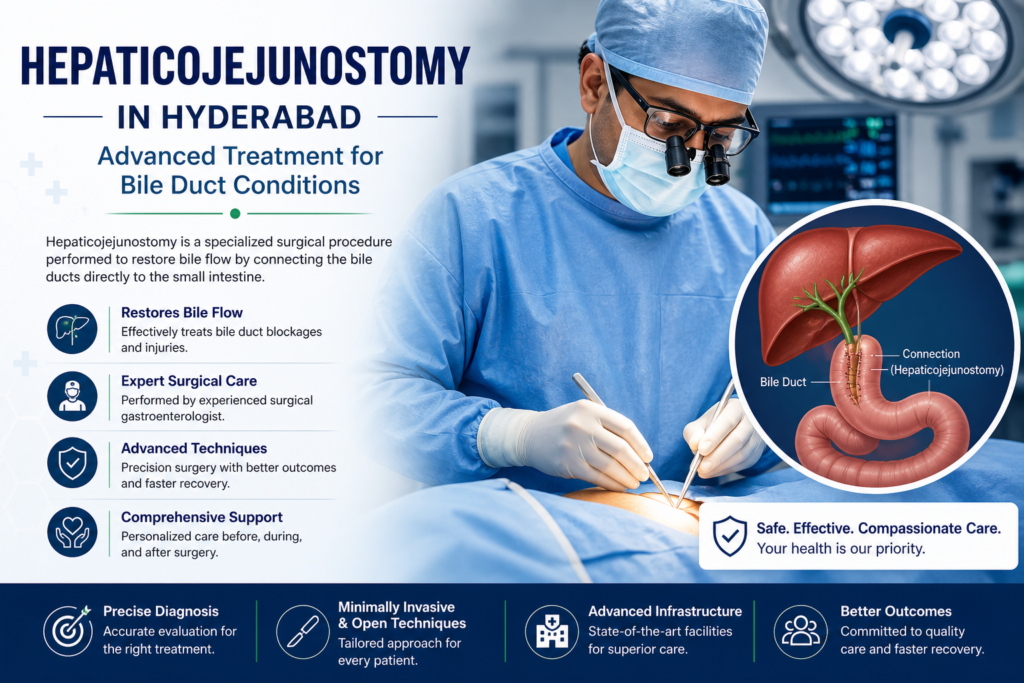
Overview Hepaticojejunostomy is a specialized surgical procedure performed to restore bile flow from the liver to the small intestine. It is commonly recommended in cases where the bile duct is blocked, injured, or affected by disease. Dr. Chitterusu Raghuram, a Consultant Surgical Gastroenterologist in Hyderabad, offers advanced expertise in hepatobiliary surgeries, ensuring safe and effective treatment for complex bile duct conditions. Procedure Explained During hepaticojejunostomy, the surgeon connects the bile duct directly to a part of the small intestine called the jejunum. This allows bile to bypass the blocked or damaged area and flow normally into the digestive system. The procedure requires high precision and is performed using advanced surgical techniques to ensure long-term success and proper healing. Benefits of Hepaticojejunostomy Hepaticojejunostomy provides an effective solution for restoring bile flow and relieving symptoms such as jaundice, abdominal pain, and infections. It helps improve liver function and prevents further complications. With expert surgical care, patients can expect reliable outcomes and improved quality of life. Recovery After Surgery Recovery depends on the patient’s condition and the complexity of the surgery. Most patients require a short hospital stay for monitoring and post-operative care. Gradual return to normal activities is expected within a few weeks. Proper diet, medications, and regular follow-up are essential for a smooth recovery process. Risks and Considerations As with any major surgery, there are potential risks such as infection, bleeding, or bile leakage. However, with experienced surgical expertise and proper care, these risks are minimized. Choosing a skilled specialist ensures better safety and long-term results. When to Consult a Specialist If you experience symptoms like jaundice, persistent abdominal pain, fever, or digestive problems, it is important to seek medical advice. Early consultation can help in diagnosing bile duct conditions and planning the appropriate treatment. Conclusion Hepaticojejunostomy is an advanced and effective surgical procedure for treating bile duct disorders. With expert care and modern surgical techniques, patients in Hyderabad can receive safe and reliable treatment. Consulting Dr. Chitterusu Raghuram ensures personalized care and the best possible outcomes.
Whipple’s PD Surgery in Hyderabad: When It’s Needed and What to Expect
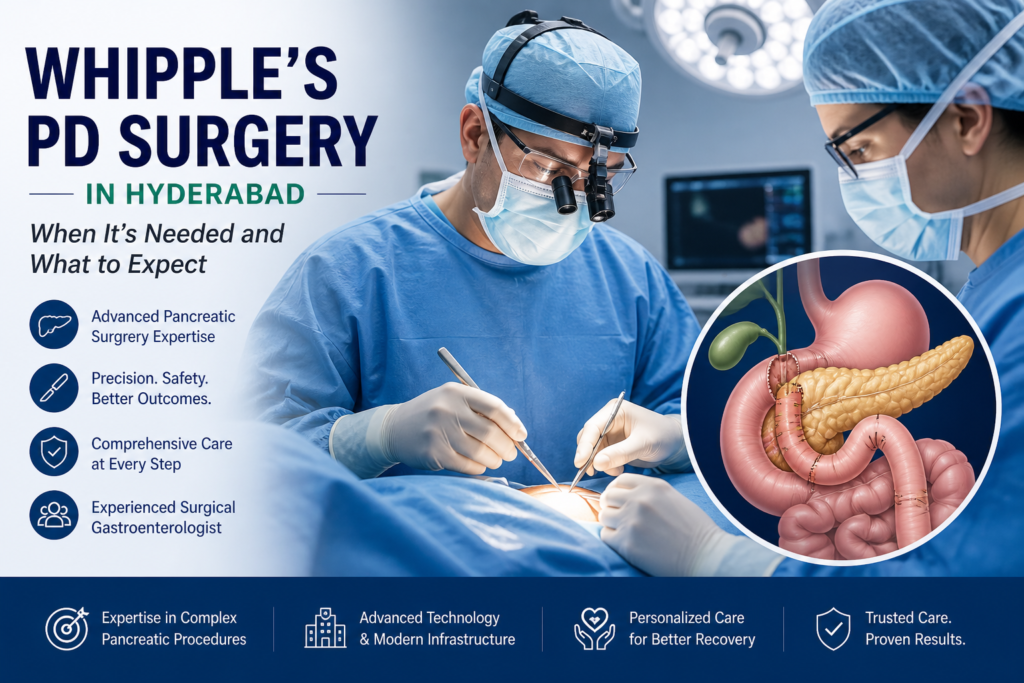
Overview Whipple’s procedure, also known as pancreaticoduodenectomy (PD), is a complex surgical operation performed to treat conditions affecting the pancreas, bile duct, and surrounding organs. It is most commonly recommended for pancreatic tumors and certain gastrointestinal cancers. Dr. Chitterusu Raghuram, a Consultant Surgical Gastroenterologist in Hyderabad, specializes in advanced pancreatic surgeries, offering precise and safe treatment with modern surgical techniques. When is Whipple’s Surgery Needed? Whipple’s procedure is typically advised for patients diagnosed with pancreatic cancer, tumors of the bile duct, duodenal cancer, or chronic pancreatitis. It may also be recommended when tumors are located in the head of the pancreas. Early diagnosis and timely surgical intervention are crucial for improving survival and long-term outcomes. Procedure Explained During Whipple’s surgery, the surgeon removes the head of the pancreas, part of the small intestine (duodenum), gallbladder, and bile duct. After removal, the digestive system is carefully reconstructed to allow normal digestion. This is a highly specialized procedure that requires advanced surgical expertise and detailed planning to ensure safety and effectiveness. Benefits of Liver Resection Surgery Liver resection offers significant benefits, especially when performed by an experienced specialist. It helps remove diseased tissue effectively, improves survival rates in cancer patients, and relieves symptoms caused by liver conditions. Minimally invasive techniques, when applicable, also reduce pain, shorten hospital stay, and promote faster recovery. Benefits of Whipple’s Procedure Whipple’s surgery offers significant benefits, especially in cancer treatment. It helps remove tumors effectively, improves survival rates, and can relieve symptoms such as jaundice and abdominal pain. With advancements in surgical techniques and post-operative care, outcomes have improved significantly over the years. Recovery After Surgery Recovery from Whipple’s procedure requires careful monitoring and follow-up care. Patients may need a longer hospital stay compared to other surgeries due to the complexity of the procedure. Gradual return to normal activities is expected over a few weeks to months. A proper diet, medication, and regular follow-ups are essential for a smooth recovery. Risks and Considerations As a major surgical procedure, Whipple’s surgery carries certain risks such as infection, bleeding, delayed gastric emptying, or pancreatic leakage. However, with experienced surgical care and advanced facilities, these risks can be minimized. Choosing a skilled specialist plays a key role in ensuring successful outcomes. When to Consult a Specialist If you experience symptoms such as persistent abdominal pain, jaundice, unexplained weight loss, or digestive issues, it is important to seek medical evaluation. Early consultation can help in timely diagnosis and effective treatment planning. Conclusion Whipple’s PD surgery is one of the most effective treatments for pancreatic and related conditions when performed by an experienced specialist. With expert care and advanced surgical techniques, patients in Hyderabad can access safe and reliable treatment. Consulting Dr. Chitterusu Raghuram ensures personalized care and the best possible outcomes.
Liver Resection Surgery in Hyderabad: Procedure, Benefits, and Recovery Explained
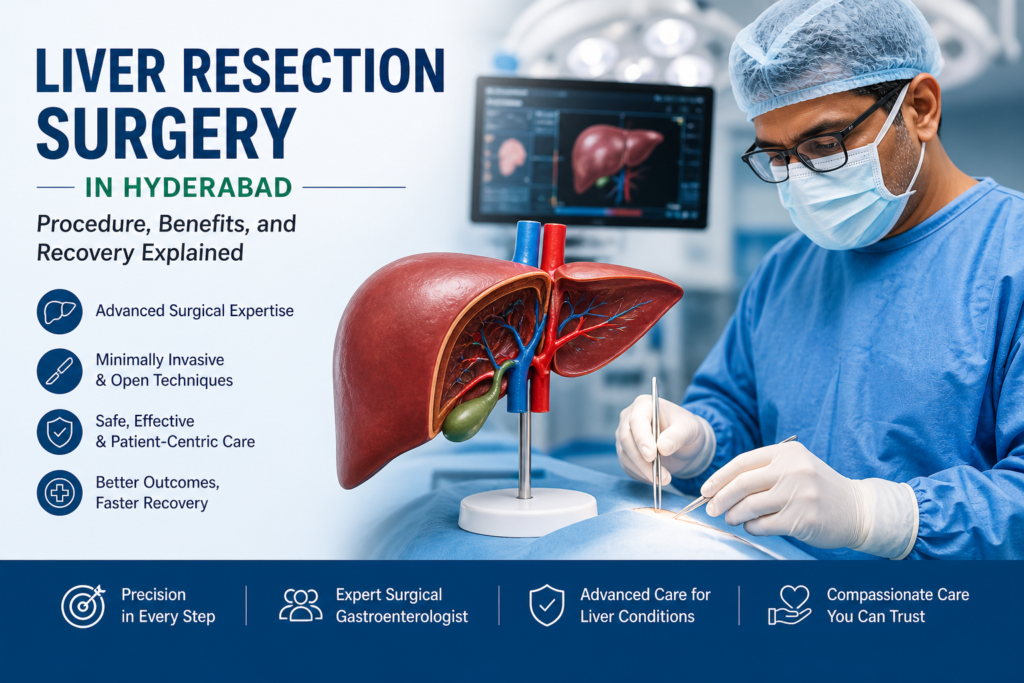
Overview Liver resection surgery is a specialized procedure performed to remove a portion of the liver affected by tumors, cysts, or other diseases. As one of the most complex abdominal surgeries, it requires precision, expertise, and advanced surgical techniques. Dr. Chitterusu Raghuram, a Consultant Surgical Gastroenterologist in Hyderabad, offers expert care in liver surgery using modern approaches to ensure safe and effective outcomes. When is Liver Resection Needed? Liver resection is recommended when a part of the liver is damaged or diseased but the remaining liver is healthy enough to function normally. It is commonly advised in cases of liver tumors, metastatic cancers, benign growths, liver cysts, or certain infections. Early diagnosis and timely surgical intervention play a crucial role in improving patient outcomes. Procedure Explained During liver resection surgery, the affected portion of the liver is carefully removed while preserving the healthy tissue. The liver has a unique ability to regenerate, which allows it to recover its function after surgery. Depending on the condition and patient suitability, the procedure may be performed using open surgery or minimally invasive laparoscopic techniques. Advanced surgical planning and imaging help ensure precision and safety throughout the procedure. Benefits of Liver Resection Surgery Liver resection offers significant benefits, especially when performed by an experienced specialist. It helps remove diseased tissue effectively, improves survival rates in cancer patients, and relieves symptoms caused by liver conditions. Minimally invasive techniques, when applicable, also reduce pain, shorten hospital stay, and promote faster recovery. Recovery After Surgery Recovery after liver resection varies depending on the extent of the surgery and the patient’s overall health. Most patients require a short hospital stay for monitoring and post-operative care. Gradual return to normal activities is expected within a few weeks. Proper follow-up, balanced nutrition, and adherence to medical advice are essential for smooth recovery. Risks and Considerations Like any major surgery, liver resection carries certain risks such as bleeding, infection, or temporary liver dysfunction. However, with proper evaluation, advanced surgical techniques, and expert care, these risks are minimized. Choosing a skilled surgical gastroenterologist significantly improves safety and outcomes. When to Consult a Specialist If you experience symptoms such as persistent abdominal pain, unexplained weight loss, jaundice, or if imaging reports indicate liver abnormalities, it is important to consult a specialist. Early evaluation can help determine the need for surgery and improve treatment success. Conclusion Liver resection surgery is a highly effective treatment for various liver conditions when performed with expertise and precision. With advanced facilities and experienced care, patients in Hyderabad can access safe and reliable liver surgery options. Consulting an expert like Dr. Chitterusu Raghuram ensures personalized treatment and the best possible outcomes.