Crohn's Disease
Crohn's Disease
Overview
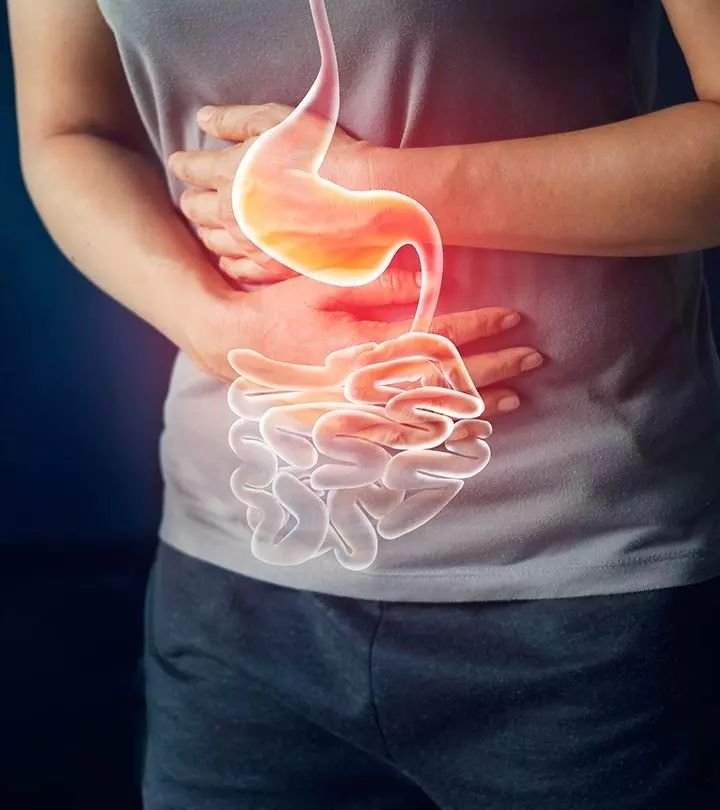
Crohn’s disease is a chronic inflammatory condition of the gastrointestinal tract that can affect any part of the digestive system, from the mouth to the anus, though it most commonly involves the small intestine and colon. It is a type of inflammatory bowel disease (IBD) characterized by periods of flare-ups and remission. The condition leads to inflammation that can extend deep into the layers of the intestinal wall, causing discomfort and complications over time. While Crohn’s disease cannot be completely cured, it can be effectively managed with appropriate medical and surgical care to improve quality of life.
Causes
The exact cause of Crohn’s disease is not fully understood, but it is believed to result from a combination of immune system dysfunction, genetic predisposition, and environmental factors. In this condition, the immune system mistakenly attacks the digestive tract, leading to chronic inflammation. Risk factors include family history, smoking, stress, and certain dietary habits. Although diet does not directly cause the disease, it can influence symptom severity and flare-ups.
Symptoms
Symptoms of Crohn’s disease vary depending on the area affected and the severity of inflammation. Common symptoms include persistent diarrhea, abdominal pain and cramping, fatigue, weight loss, and reduced appetite. Patients may also experience blood in the stool, fever, and a general feeling of weakness. In more severe cases, complications such as fistulas, abscesses, or intestinal blockage may occur, leading to more serious symptoms.
Diagnosis
Diagnosis involves a comprehensive evaluation that includes clinical history, physical examination, and specialized tests. Colonoscopy is a key diagnostic tool that allows direct visualization of the intestinal lining and enables biopsy for confirmation. Imaging studies such as CT scans or MRI may be used to assess the extent of disease and detect complications. Blood tests and stool tests also help identify inflammation and rule out infections
Treatment Options
Treatment for Crohn’s disease is aimed at reducing inflammation, controlling symptoms, and preventing complications. Medications such as anti-inflammatory drugs, immune system suppressors, and biologic therapies are commonly used to manage the condition. In cases where complications arise or medical therapy is not effective, surgical intervention may be required. Surgery may involve removing the affected portion of the intestine or treating complications such as strictures or fistulas. Minimally invasive techniques are often used when appropriate to enhance recovery and outcomes.
Post-Treatment Care
Long-term management is essential in Crohn’s disease. Patients are advised to follow a balanced diet tailored to their condition, avoid triggers that worsen symptoms, and maintain regular follow-up visits. Nutritional support and lifestyle modifications, including stress management and smoking cessation, play a significant role in maintaining remission and improving overall health.
Risks or Complications
If not properly managed, Crohn’s disease can lead to complications such as intestinal obstruction, fistulas, abscess formation, malnutrition, and increased risk of colorectal cancer. Even after treatment, the disease may recur, making ongoing monitoring important. With appropriate care, many patients achieve good control of symptoms and lead active lives.
When to See a Doctor
You should seek medical advice if you experience persistent diarrhea, abdominal pain, unexplained weight loss, or blood in the stool. Early diagnosis and timely treatment are crucial in preventing complications and improving outcomes. Consulting an experienced specialist like Dr. Chitterusu Raghuram ensures accurate diagnosis, effective management, and personalized care for long-term well-being.
Explore more:
Explore Our Specialities
Our Services
Don’t Ignore Your Symptoms
Get timely diagnosis and expert treatment for lasting relief.