Gallstones
Gallstones
Overview
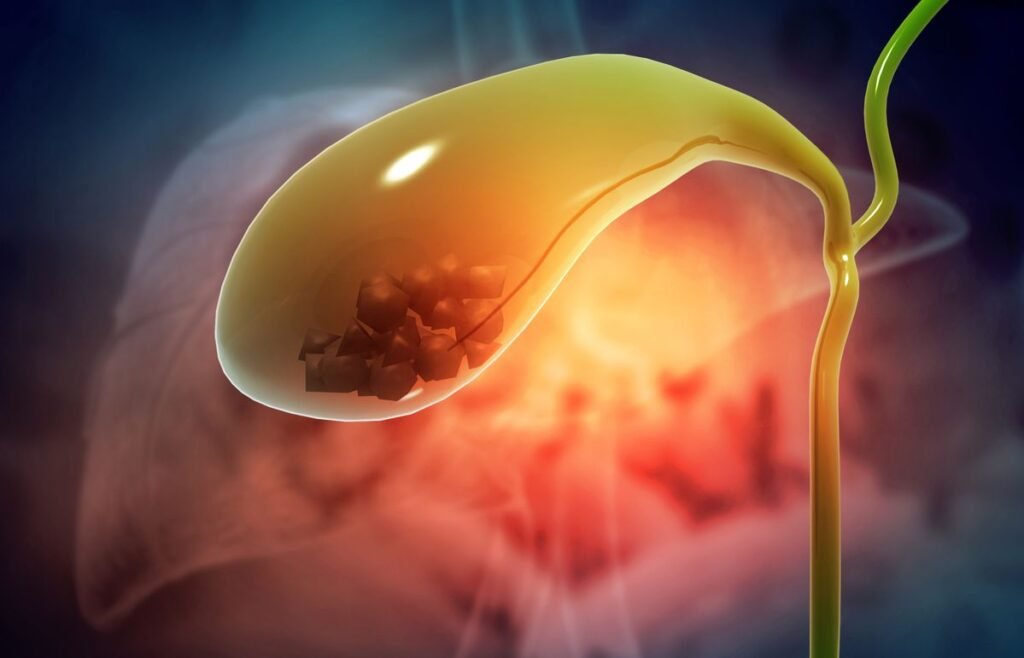
Gallstones are solid deposits that form in the gallbladder, a small organ located beneath the liver that stores bile used for digestion. These stones can vary in size and number, and while some may remain silent without causing symptoms, others can lead to significant discomfort and complications. Gallstones are a common digestive condition and, when symptomatic, often require medical evaluation and treatment. Early diagnosis and appropriate management help prevent serious complications and ensure long-term digestive health.
Causes
Gallstones typically develop when there is an imbalance in the substances that make up bile, such as excess cholesterol or bilirubin. This imbalance leads to the formation of hardened particles over time. Risk factors include obesity, high-fat diets, rapid weight loss, diabetes, and a family history of gallbladder disease. Hormonal factors and certain medications may also contribute. In some cases, reduced movement of the gallbladder or blockage of bile flow can increase the likelihood of stone formation.
Symptoms
Many people with gallstones may not experience symptoms, but when stones block the bile ducts, they can cause sudden and intense pain in the upper right abdomen, often after eating fatty foods. This pain may radiate to the back or right shoulder and can last for several hours. Other symptoms include nausea, vomiting, bloating, and indigestion. In more severe cases, fever, jaundice, or persistent pain may indicate infection or blockage and require immediate medical attention.
Diagnosis
Diagnosis of gallstones is usually straightforward and begins with a clinical evaluation. Ultrasound is the most commonly used imaging test to detect gallstones and assess gallbladder inflammation. In certain cases, additional tests such as blood investigations, CT scans, or MRI may be recommended to evaluate complications or involvement of the bile ducts.
Treatment Options
Treatment depends on whether the gallstones are causing symptoms. Asymptomatic gallstones may not require immediate treatment but should be monitored. However, symptomatic gallstones are best treated by removing the gallbladder through laparoscopic surgery, also known as laparoscopic cholecystectomy. This minimally invasive procedure involves small incisions and the use of a camera to safely remove the gallbladder. It offers advantages such as reduced pain, shorter hospital stay, faster recovery, and minimal scarring. Non-surgical treatments are rarely used and are generally less effective for long-term relief.
Post-Treatment Care
Recovery after gallbladder surgery is usually quick, with most patients returning to normal activities within a few days. Mild digestive changes may occur initially, but the body adapts over time. Patients are advised to follow a low-fat diet during the early recovery phase and gradually resume normal eating habits. Proper wound care, medications, and follow-up visits are important to ensure smooth recovery.
Risks or Complications
While gallbladder surgery is considered safe, potential risks include infection, bleeding, bile leakage, or injury to nearby structures such as the bile ducts. However, these complications are rare when the procedure is performed by an experienced surgeon. Early treatment of gallstones also helps prevent complications such as gallbladder infection or pancreatitis.
When to See a Doctor
You should seek medical attention if you experience persistent or severe abdominal pain, especially after meals, or symptoms such as nausea, vomiting, fever, or jaundice. Early evaluation can prevent complications and ensure timely treatment. Consulting an experienced specialist like Dr. Chitterusu Raghuram ensures accurate diagnosis and effective management for long-term relief.
Explore more:
Explore Our Specialities
Our Services
Don’t Ignore Your Symptoms
Get timely diagnosis and expert treatment for lasting relief.