Liver Tumours
Liver Tumours
Overview
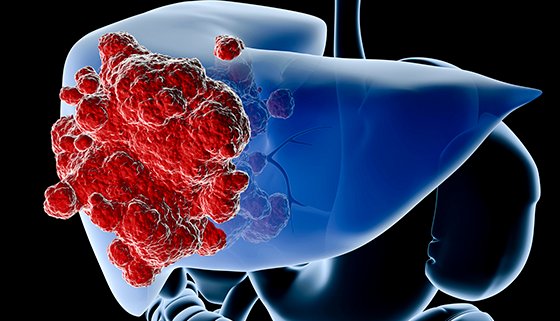
Liver tumours are abnormal growths that develop within the liver tissue and may be either benign (non-cancerous) or malignant (cancerous). Benign tumours such as hemangiomas or adenomas often remain asymptomatic and may not require immediate intervention, while malignant tumours like hepatocellular carcinoma or metastatic liver cancer demand timely diagnosis and specialized treatment. The liver plays a vital role in metabolism, detoxification, and digestion, so any abnormal growth can significantly impact overall health. Early detection and appropriate management are key to improving outcomes and preserving liver function.
Causes
The development of liver tumours is associated with multiple risk factors. Chronic liver diseases such as hepatitis B and hepatitis C infections are among the most common contributors, as they lead to long-term inflammation and damage. Cirrhosis, often caused by alcohol abuse or fatty liver disease, significantly increases the risk of malignant tumours. Other contributing factors include obesity, diabetes, exposure to toxins such as aflatoxins, and certain genetic conditions. In many cases, liver tumours may also arise due to the spread of cancer from other organs, such as the colon, breast, or lungs.
Symptoms
Liver tumours may remain silent in the early stages, which makes regular health check-ups important, especially for high-risk individuals. As the condition progresses, patients may experience abdominal discomfort or pain in the upper right side, unexplained weight loss, fatigue, and loss of appetite. Some individuals notice swelling in the abdomen, jaundice (yellowing of the skin and eyes), or nausea. In advanced cases, symptoms may become more pronounced due to impaired liver function, including fluid accumulation and general weakness.
Diagnosis
Accurate diagnosis involves a combination of clinical evaluation, imaging studies, and laboratory tests. Blood tests, including liver function tests and tumour markers such as alpha-fetoprotein, can provide initial clues. Imaging techniques like ultrasound, CT scan, and MRI are essential for detecting the size, location, and nature of the tumour. In certain cases, a biopsy may be recommended to confirm the diagnosis and determine whether the tumour is benign or malignant. Advanced diagnostic approaches also help assess liver function and guide treatment planning.
Treatment Options
Treatment for liver tumours depends on the type, size, location, and stage of the tumour, as well as the patient’s overall health. Benign tumours may only require observation unless they cause symptoms. For malignant tumours, treatment options include surgical resection, where the affected portion of the liver is removed, and liver transplantation in selected cases. Minimally invasive procedures such as radiofrequency ablation, microwave ablation, and transarterial chemoembolization (TACE) are commonly used for patients who are not candidates for major surgery. Systemic therapies, including targeted therapy and immunotherapy, may also be recommended in advanced stages. A multidisciplinary approach ensures that each patient receives a personalized treatment plan.
Post-Treatment Care
Recovery and long-term outcomes depend greatly on appropriate post-treatment care. Patients are advised to follow a balanced diet that supports liver health, avoid alcohol, and maintain a healthy weight. Regular follow-up visits are essential to monitor liver function and detect any recurrence at an early stage. Lifestyle modifications, including managing underlying conditions such as diabetes or hepatitis, play a crucial role in sustaining recovery. Emotional and psychological support is equally important, as dealing with a liver tumour diagnosis and treatment can be challenging.
Risks or Complications
Like any medical condition and its treatment, liver tumours carry certain risks. If left untreated, malignant tumours can progress and spread to other parts of the body. Surgical procedures may involve risks such as bleeding, infection, or temporary liver dysfunction. Minimally invasive treatments may have side effects like pain, fever, or localized damage to surrounding tissue. In advanced disease, complications such as liver failure or fluid accumulation can occur. However, with timely intervention and expert care, many of these risks can be effectively managed.
When to See a Doctor
It is important to seek medical attention if you experience persistent abdominal pain, unexplained weight loss, jaundice, or prolonged fatigue. Individuals with known risk factors such as chronic liver disease, hepatitis infections, or a family history of liver cancer should undergo regular screening. Early consultation with a specialist ensures prompt diagnosis and increases the chances of successful treatment. Timely medical care can make a significant difference in outcomes and overall quality of life.
Explore more:
Explore Our Specialities
Our Services
Don’t Ignore Your Symptoms
Get timely diagnosis and expert treatment for lasting relief.