Gallbladder Cancer
Gallbladder Cancer
Overview
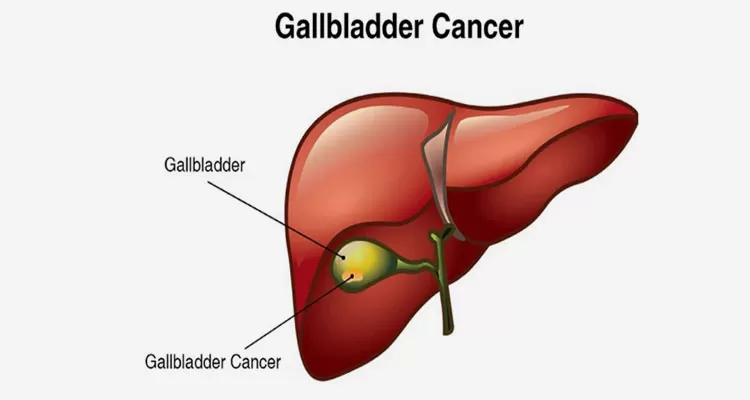
Gallbladder cancer is a rare but serious condition that develops in the gallbladder, a small pear-shaped organ located beneath the liver that stores bile to help digest fats. In many cases, gallbladder cancer is discovered at an advanced stage because early symptoms are often mild or absent. However, when identified early, treatment outcomes can improve significantly. The condition is more commonly seen in older adults and may sometimes be detected during evaluation or surgery for gallstones or chronic gallbladder disease.
Gallbladder cancer can grow silently and gradually spread to nearby organs such as the liver and bile ducts. Because of its aggressive nature, timely diagnosis and expert surgical evaluation are extremely important. With advances in surgical gastroenterology, imaging techniques, and cancer care, many patients today can receive effective treatment with improved quality of life and better long-term outcomes.
Causes
The exact cause of gallbladder cancer is not always known, but several risk factors are associated with its development. Long-standing gallstones and chronic inflammation of the gallbladder are considered major contributing factors. Repeated irritation of the gallbladder lining over many years may lead to abnormal cellular changes that can eventually become cancerous.
Certain conditions such as gallbladder polyps, porcelain gallbladder, chronic infections, obesity, smoking, and bile duct abnormalities may also increase the risk. In some individuals, a family history of gallbladder disease or cancer can contribute to a higher likelihood of developing the condition. Although not everyone with these risk factors develops cancer, regular medical evaluation is important in patients with persistent gallbladder-related symptoms.
Symptoms
Gallbladder cancer may not produce noticeable symptoms in its early stages. As the disease progresses, patients may experience persistent pain or discomfort in the upper right side of the abdomen, nausea, vomiting, bloating, loss of appetite, unexplained weight loss, or fatigue. Some individuals may also develop jaundice, which causes yellowing of the skin and eyes due to blockage of the bile ducts.
In certain cases, fever, abdominal swelling, or a palpable lump in the abdomen may occur. Since these symptoms can resemble common gallbladder conditions such as gallstones or infections, they are sometimes overlooked. Persistent or worsening digestive symptoms should never be ignored, especially in older adults or individuals with a history of gallbladder disease.
Diagnosis
Accurate diagnosis of gallbladder cancer requires a detailed clinical evaluation along with advanced imaging and laboratory investigations. Ultrasound is often the first test used to identify abnormalities in the gallbladder. Additional imaging studies such as CT scan, MRI, MRCP, or PET scan may be recommended to determine the size of the tumor and whether it has spread to surrounding organs.
Blood tests, including liver function tests and tumor markers, may provide supportive information. In some cases, gallbladder cancer is unexpectedly identified after surgical removal of the gallbladder for presumed gallstones. A biopsy or tissue examination helps confirm the diagnosis and guides further treatment planning. Early and precise staging is essential for selecting the most appropriate treatment approach.
Treatment Options
Treatment for gallbladder cancer depends on the stage of the disease, the extent of spread, and the overall health of the patient. Surgery remains the primary and most effective treatment for localized gallbladder cancer. Early-stage tumors may be treated with gallbladder removal surgery, while more advanced cases may require removal of nearby liver tissue, lymph nodes, or affected bile ducts to achieve complete cancer clearance.
For patients with advanced or inoperable disease, chemotherapy, targeted therapy, immunotherapy, or radiation therapy may be advised to control cancer growth and relieve symptoms. A multidisciplinary treatment approach involving surgical gastroenterologists, oncologists, radiologists, and supportive care specialists helps ensure comprehensive and personalized care. Modern treatment strategies focus not only on cancer control but also on preserving patient comfort and quality of life.
Post-Treatment Care
Recovery after treatment for gallbladder cancer requires regular follow-up and supportive care. Patients are advised to maintain a balanced diet, stay physically active as tolerated, and attend scheduled medical reviews to monitor recovery and detect any recurrence at an early stage. Nutritional support is often important, especially after major surgery or chemotherapy.
Some patients may experience temporary digestive discomfort, fatigue, or changes in appetite during recovery. Proper medication, hydration, and gradual lifestyle adjustments can help improve overall well-being. Emotional support and counseling may also play an important role in helping patients and families cope with the challenges of cancer treatment and recovery.
Risks or Complications
If left untreated, gallbladder cancer can spread to the liver, bile ducts, lymph nodes, and other nearby organs. Advanced disease may lead to severe jaundice, liver dysfunction, intestinal obstruction, infection, or significant weight loss. Delayed diagnosis can make treatment more complex and reduce the chances of successful outcomes.
Surgical treatment itself may carry certain risks such as bleeding, infection, bile leakage, or postoperative complications, although these are carefully managed with modern surgical techniques and experienced medical care. Chemotherapy and radiation therapy can also produce side effects that require monitoring and supportive management. Timely intervention and expert follow-up significantly help in minimizing complications and improving recovery.
When to See a Doctor
Medical attention should be sought if symptoms such as persistent upper abdominal pain, unexplained weight loss, jaundice, loss of appetite, or prolonged digestive discomfort continue for more than a few weeks. Individuals with recurrent gallstones, chronic gallbladder inflammation, or a family history of gallbladder disease should undergo regular evaluation if symptoms develop.
Early consultation with a surgical gastroenterologist is especially important when symptoms become persistent or progressively worsen. Prompt diagnosis and timely treatment can improve outcomes, reduce complications, and provide patients with the best possible chance for effective management and recovery.
Explore more:
Explore Our Specialities
Conditions Treated
Don’t Ignore Your Symptoms
Get timely diagnosis and expert treatment for lasting relief.