Living with chronic pancreatitis can significantly affect your daily life. Severe abdominal pain that radiates to the back, difficulty digesting food, and frequent hospital visits are common struggles for individuals dealing with long-term pancreatic duct obstruction. When medical management and endoscopic procedures no longer offer adequate relief, surgical drainage becomes a definitive path toward restoring comfort and digestive function.
A well-established surgical solution for chronic ductal obstruction is Lateral Pancreaticojejunostomy, often referred to as the Puestow procedure. This detailed guide explores how this specialized surgical intervention works, when it is recommended, what patients can expect during recovery, and why seeking care in Hyderabad offers world-class outcomes for complex gastrointestinal and pancreatic conditions.
What is Lateral Pancreaticojejunostomy (LPJ)?
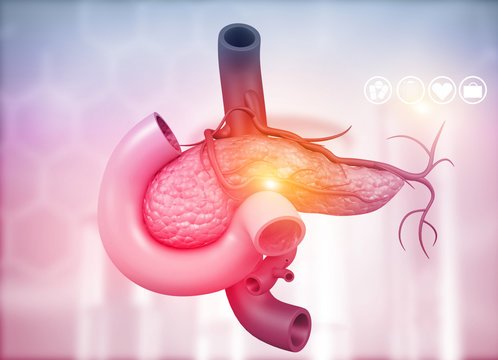
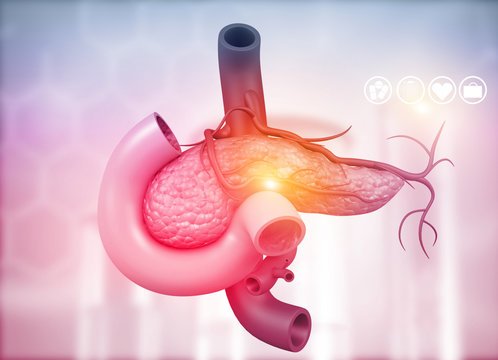
Lateral Pancreaticojejunostomy is a surgical procedure designed to relieve pressure inside a dilated pancreatic duct caused by chronic inflammation, calcification, or strictures. In healthy individuals, the pancreatic duct carries digestive enzymes into the small intestine. However, in patients with chronic pancreatitis, recurring inflammation causes the duct to narrow and become blocked, leading to enzyme buildup and intense pain.
During this operation, the surgeon opens the main pancreatic duct lengthwise along the body and tail of the organ and connects (anastomoses) it directly to a loop of the small intestine (jejunum). This creates a wide, unobstructed path for pancreatic juices to drain freely into the digestive tract. By decompressing the duct, the surgery directly targets the root cause of chronic pancreatic pain.
For patients experiencing persistent ductal obstruction, opting for Lateral Pancreaticojejunostomy Surgery (LPJ) in Hyderabad ensures access to advanced surgical infrastructure and highly trained surgical teams experienced in complex abdominal and hepatobiliary care.
When is LPJ Surgery Recommended?
Not every patient with pancreatic discomfort requires surgical intervention. LPJ surgery is specifically indicated for patients with chronic pancreatitis who meet distinct clinical criteria, usually identified through high-resolution CT scans, MRCP (Magnetic Resonance Cholangiopancreatography), or endoscopic evaluation.
Key indications include:
- Intractable Abdominal Pain: Severe, chronic pain that persists despite medical therapy and dietary modifications.
- Dilated Pancreatic Duct: Diagnostic imaging confirming a main pancreatic duct dilated to 6 to 8 millimeters or larger (often referred to as a “chain-of-lakes” appearance due to alternating strictures and dilations).
- Multiple Intraductal Stones or Strictures: Calcified stones or fibrous narrowings blocking normal enzyme flow along the length of the main duct.
- Preserved Pancreatic Parenchyma: Cases where the head of the pancreas does not harbor an inflammatory mass requiring resection (such as a Frey or Whipple procedure).
The Procedure: What Happens During Surgery?
Understanding the steps involved in LPJ surgery helps ease patient anxiety and sets clear expectations for the treatment journey.
- Pre-Surgical Evaluation: The patient undergoes comprehensive blood tests, cardiac screening, and advanced imaging to map out the pancreatic duct anatomy accurately.
- Anesthesia and Surgical Access: The operation is performed under general anesthesia. The surgical team accesses the abdominal cavity through an incision or via advanced minimally invasive techniques depending on individual patient factors.
- Exposing and Opening the Duct: The stomach is lifted, and the anterior surface of the pancreas is exposed. The surgeon carefully locates the main pancreatic duct and opens it longitudinally from the head region to the tail.
- Removing Stones and Debris: Any calcified stones or blockages within the accessible length of the duct are gently cleared to ensure complete decompression.
- Roux-en-Y Reconstruction: A loop of the small intestine (jejunum) is prepared and brought up to join the opened pancreatic duct side-by-side, creating a wide drainage channel.
- Closing and Drainage: The surgical site is inspected for leaks, and temporary abdominal drains may be placed before closing the incisions.
Consulting an experienced Surgical Gastroenterologist in Hyderabad allows for careful patient selection, precise surgical execution, and personalized perioperative protocols to minimize complications and foster smooth healing.
Key Benefits of LPJ Surgery
Choosing surgical drainage through LPJ offers several significant advantages for long-term health:
- Substantial Pain Relief: Decompressing the high-pressure pancreatic duct provides dramatic and lasting relief from severe chronic abdominal pain in up to 80% to 90% of suitable candidates.
- Preservation of Pancreatic Function: Unlike resection procedures that remove portions of the organ, LPJ preserves the remaining endocrine (insulin-producing) and exocrine (enzyme-producing) tissue, reducing the immediate risk of worsening diabetes or severe digestive insufficiency.
- Improved Quality of Life: Reduced pain leads to decreased dependence on pain medications, better sleep, improved nutritional intake, and a gradual return to active daily living.
- Durable Outcomes: When performed for appropriate indications, the wide drainage path created during surgery minimizes the risk of recurrent blockages.
Recovery and Post-Operative Care
Recovery after Lateral Pancreaticojejunostomy (LPJ) in Hyderabad involves a structured, multi-step process focused on healing and gradual rehabilitation.
- Hospital Stay: Patients typically stay in the hospital for 5 to 7 days, during which the surgical team manages pain, monitors drainage, and ensures smooth bowel function recovery.
- Dietary Transition: Patients begin with clear liquids and progress to small, frequent, low-fat meals to allow the digestive tract to adapt.
- Pain Management and Activity: Pain gradually subsides over the first few weeks. Patients are encouraged to engage in light walking while avoiding strenuous activity or heavy lifting for 6 to 8 weeks.
- Lifestyle Modifications: Strict cessation of alcohol and smoking is critical to prevent ongoing damage to the remaining pancreatic tissue and support long-term surgical success.
Frequently Asked Questions (FAQs)
Q1: How long does Lateral Pancreaticojejunostomy surgery take?
The procedure typically takes between 3 to 5 hours, depending on surgical complexity, the degree of inflammation, and whether extensive stone extraction is required.
Q2: Will LPJ surgery cure my chronic pancreatitis completely?
While LPJ surgery effectively relieves pain and improves drainage, chronic pancreatitis is an ongoing inflammatory condition. The surgery treats the structural blockage, but ongoing lifestyle management—such as avoiding alcohol and tobacco—is vital to protect remaining organ health.
Q3: What is the success rate of LPJ surgery for pain relief?
When performed on properly evaluated patients with a significantly dilated pancreatic duct, LPJ surgery achieves long-term pain relief in approximately 80% to 90% of cases.
Q4: How do I choose the right specialist in Hyderabad?
Look for a high-volume center with experienced specialists in advanced gastrointestinal and thoracic surgeries, such as those practicing at premier institutions like AIG Hospitals, Gachibowli, Hyderabad (including expert care protocols led by Dr. Arvind Reddy Muthirevula). A comprehensive multidisciplinary team ensures safe surgical planning, evidence-based care, and dedicated post-operative follow-up.
Conclusion
Lateral Pancreaticojejunostomy is a safe, proven, and highly effective surgical procedure for managing chronic pancreatitis with ductal dilation. By creating a direct drainage path into the small intestine, it addresses the root cause of debilitating pain while preserving precious pancreatic tissue. If you or a loved one is struggling with chronic pancreatic symptoms, consulting a skilled surgical specialist in Hyderabad provides access to world-class diagnostics, tailored surgical expertise, and compassionate care designed to restore your health and quality of life.
Schedule Your Consultation:
Contact Dr. Chitterusu Raghuram Today:
Address: AIG Hospital, Gachibowli, Hyderabad, Telangana, 500032
Phone Number: 91-9849965865
Maill : archana_raghuram2003@yahoo.com