Emergency GI Surgery
Emergency GI Surgery
Overview
Emergency gastrointestinal (GI) surgery involves urgent surgical intervention for life-threatening conditions affecting the digestive system. These situations require immediate medical attention to prevent serious complications and save lives. Emergency procedures may be necessary for conditions involving the esophagus, stomach, intestines, liver, pancreas, or gallbladder. Prompt diagnosis and timely surgical management are crucial to stabilize the patient, control the underlying problem, and restore normal function.
Causes
Emergency GI surgery is often required due to sudden and severe conditions such as perforation of the stomach or intestines, intestinal obstruction, severe infections, acute appendicitis, gallbladder inflammation, gastrointestinal bleeding, or traumatic injury to abdominal organs. These conditions may arise from untreated chronic diseases, infections, tumors, or external injuries. Delayed treatment of common digestive issues can sometimes progress into emergencies requiring urgent surgical care.
Symptoms
Symptoms that may indicate a gastrointestinal emergency include severe and sudden abdominal pain, persistent vomiting, inability to pass stool or gas, abdominal swelling, high fever, and signs of internal bleeding such as vomiting blood or passing black or bloody stools. Patients may also experience weakness, dizziness, or shock in severe cases. These symptoms should never be ignored, as they may indicate a serious underlying condition.
Diagnosis
Diagnosis in emergency situations is rapid and focused. It includes clinical evaluation, physical examination, and urgent investigations such as blood tests, ultrasound, or CT scans to identify the cause and severity of the condition. Quick decision-making is essential to determine whether immediate surgery is required and to plan the safest approach for the patient.
Treatment Options
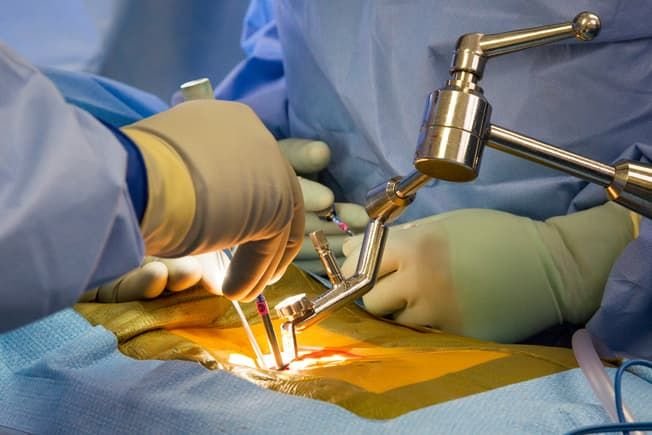
Emergency GI surgery is tailored to the specific condition and the patient’s overall health status. Procedures may involve repairing perforations, removing diseased or damaged sections of the intestine, controlling bleeding, or relieving obstructions. Depending on the situation, surgery may be performed using open or minimally invasive techniques. In critical cases, open surgery is often preferred to allow rapid access and effective management of the problem. The primary goal is to stabilize the patient and address the life-threatening condition as quickly as possible.
Post-Treatment Care
Recovery after emergency GI surgery requires close monitoring, often in a hospital setting. Patients may need supportive care, including intravenous fluids, antibiotics, and nutritional support. Gradual return to oral intake and normal activities is guided by the patient’s condition and recovery progress. Follow-up care is essential to ensure healing and to manage any underlying conditions that may have contributed to the emergency.
Risks or Complications
Emergency surgeries carry higher risks compared to planned procedures due to the severity and urgency of the condition. Potential complications include infection, bleeding, organ dysfunction, or delayed recovery. However, timely surgical intervention significantly improves survival and outcomes. With experienced care and proper postoperative management, many patients recover successfully.
When to See a Doctor
Immediate medical attention is essential if you experience severe abdominal pain, persistent vomiting, signs of bleeding, or sudden changes in bowel habits. Delaying treatment in such situations can lead to serious complications. Seeking urgent care from an experienced specialist like Dr. Chitterusu Raghuram ensures prompt diagnosis, expert surgical management, and the best possible outcome in critical conditions.
Explore Our Specialities
Our Services
Don’t Ignore Your Symptoms
Get timely diagnosis and expert treatment for lasting relief.