Endoscopy / Colonoscopy
Endoscopy / Colonoscopy
Overview
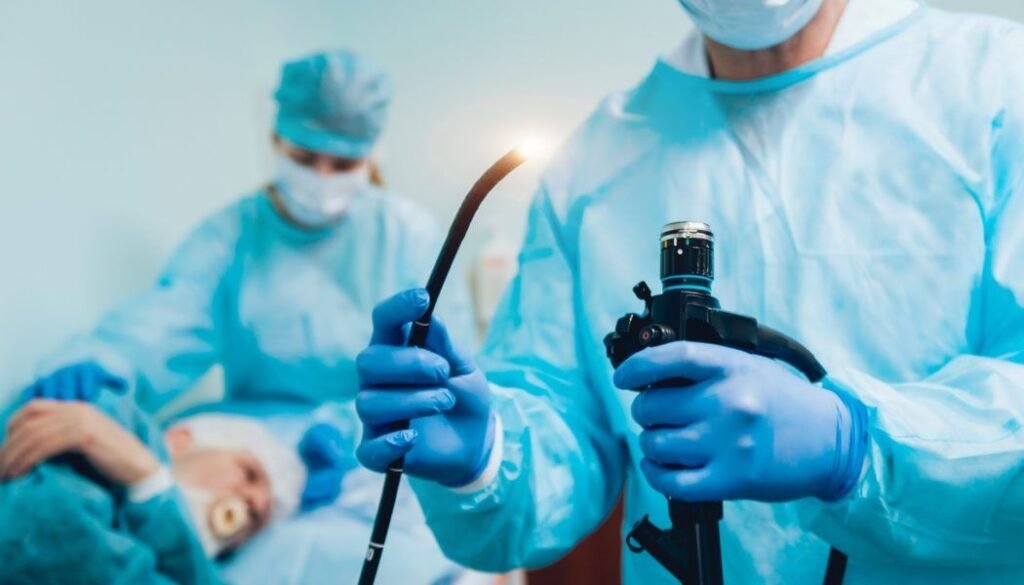
Endoscopy and colonoscopy are minimally invasive diagnostic procedures used to examine the digestive tract and identify a wide range of gastrointestinal conditions. An endoscopy evaluates the upper digestive system, including the esophagus, stomach, and the first part of the small intestine, while a colonoscopy examines the large intestine (colon) and rectum. These procedures are performed using a flexible tube with a camera, allowing clear visualization of internal structures. They are essential tools for early detection, accurate diagnosis, and sometimes even treatment of digestive disorders.
Causes
Endoscopy and colonoscopy are recommended when patients experience symptoms or are at risk of gastrointestinal diseases. Common indications include persistent acidity or reflux, abdominal pain, difficulty swallowing, unexplained weight loss, chronic diarrhea or constipation, and bleeding from the digestive tract. These procedures are also used to screen for conditions such as ulcers, polyps, inflammatory bowel disease, infections, and gastrointestinal cancers. In many cases, they help identify the underlying cause of symptoms that cannot be diagnosed through routine tests.
Symptoms
Patients who may require endoscopy or colonoscopy often present with symptoms such as ongoing indigestion, heartburn, nausea, vomiting, or difficulty swallowing. Lower gastrointestinal symptoms may include changes in bowel habits, blood in stool, abdominal discomfort, or a feeling of incomplete bowel evacuation. In some cases, individuals without symptoms may undergo these procedures as part of routine screening, especially for early detection of colorectal cancer.
Diagnosis
Endoscopy and colonoscopy provide direct visualization of the digestive tract, making them highly effective diagnostic tools. During the procedure, the doctor can identify abnormalities such as inflammation, ulcers, growths, or bleeding. Tissue samples (biopsies) can be taken for further analysis, which helps confirm the diagnosis. These procedures are often more accurate than imaging tests alone and play a crucial role in guiding treatment decisions.
Treatment Options
In addition to diagnosis, endoscopy and colonoscopy can also be used for therapeutic purposes. Procedures such as removal of polyps, control of bleeding, dilation of strictures, or removal of foreign bodies can be performed during the same session. These minimally invasive techniques reduce the need for major surgery in many cases. The procedures are usually performed under sedation, ensuring patient comfort and safety, with most individuals returning home the same day.
Post-Treatment Care
After the procedure, patients are typically monitored for a short period until the effects of sedation wear off. Mild bloating or discomfort may be experienced temporarily but usually resolves quickly. Patients are advised to follow specific instructions regarding diet and activity for the rest of the day. If biopsies are taken or minor treatments are performed, additional guidance may be provided. Most individuals can resume normal activities within a day.
Risks or Complications
While colorectal surgery is generally safe, potential risks include infection, bleeding, leakage at surgical connections, or temporary changes in bowel function. Some patients may experience altered bowel habits during the recovery period, which typically improve over time. With experienced surgical care and proper postoperative management, the risk of complications is minimized and outcomes are highly favorable.
When to See a Doctor
You should consult a doctor if you experience persistent digestive symptoms such as abdominal pain, difficulty swallowing, chronic acidity, changes in bowel habits, or blood in the stool. Early evaluation with endoscopy or colonoscopy can help detect conditions at an early stage and prevent complications. Seeking care from an experienced specialist like Dr. Chitterusu Raghuram ensures accurate diagnosis, safe procedures, and comprehensive gastrointestinal care.
Explore Our Specialities
Our Services
Don’t Ignore Your Symptoms
Get timely diagnosis and expert treatment for lasting relief.