Esophagus Surgery
Esophagus Surgery
Overview
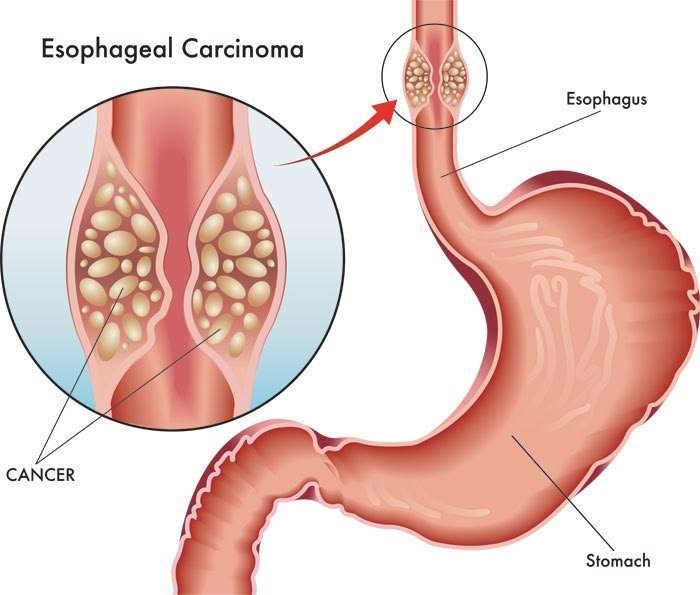
Esophagus surgery involves specialized procedures to treat diseases affecting the esophagus, the muscular tube that carries food from the mouth to the stomach. Surgical intervention may be required for conditions such as esophageal cancer, severe gastroesophageal reflux disease (GERD), achalasia, strictures, or benign tumors. Depending on the condition, surgery may involve removing a portion of the esophagus, reconstructing the food passage, or improving the function of the lower esophageal sphincter. With modern advancements, many of these procedures can be performed using minimally invasive or laparoscopic techniques, offering greater precision, less discomfort, and faster recovery.
Causes
Conditions requiring esophageal surgery can arise from multiple causes. Chronic acid reflux is a major risk factor, as it can lead to inflammation and complications such as Barrett’s esophagus, which may increase the risk of cancer. Other contributing factors include smoking, alcohol consumption, obesity, dietary habits, and certain infections. Motility disorders like achalasia, where the esophagus fails to move food properly, can also require surgical correction. Early identification of these conditions is essential to prevent progression and complications.
Symptoms
Symptoms of esophageal disorders often include difficulty swallowing (dysphagia), a sensation of food getting stuck in the chest, persistent heartburn, regurgitation of food or acid, and chest discomfort. Patients may also experience unexplained weight loss, chronic cough, or hoarseness of voice. In advanced cases, pain during swallowing or severe obstruction may occur, significantly affecting quality of life.
Diagnosis
Diagnosis begins with a detailed clinical evaluation and is supported by specialized tests. Endoscopy is commonly used to directly visualize the esophagus and obtain tissue samples if needed. Imaging studies such as CT scans or barium swallow studies help assess structural abnormalities. Esophageal manometry may be performed to evaluate muscle function, particularly in motility disorders. These investigations help determine the exact cause and guide appropriate treatment.
Treatment Options
Treatment depends on the underlying condition and its severity. Surgical options may include procedures to remove tumors, repair structural abnormalities, or improve esophageal function. Minimally invasive techniques, including laparoscopic and thoracoscopic surgery, are increasingly used for suitable cases, offering benefits such as smaller incisions, reduced postoperative pain, shorter hospital stay, and quicker recovery. In conditions like severe GERD, procedures such as fundoplication may be performed to strengthen the valve between the esophagus and stomach. For cancer, surgery may be combined with chemotherapy or radiation therapy for comprehensive care.
Post-Treatment Care
Recovery after esophagus surgery requires careful monitoring and gradual adaptation to dietary changes. Patients are usually advised to start with liquid or soft diets and slowly progress to regular foods as healing occurs. Maintaining proper nutrition, following medical advice, and attending follow-up visits are essential for recovery. Patients may also need to adopt lifestyle modifications such as avoiding certain foods, eating smaller meals, and maintaining an upright posture after eating to support digestive function.
Risks or Complications
Esophagus surgery is a complex procedure and may carry risks such as infection, bleeding, leakage at surgical connections, or difficulty swallowing during recovery. Some patients may experience temporary changes in digestion or reflux symptoms. However, with advanced surgical expertise and comprehensive postoperative care, these risks are effectively managed and outcomes are generally positive.
When to See a Doctor
It is important to consult a doctor if you experience persistent difficulty swallowing, severe or long-standing heartburn, unexplained weight loss, or chest discomfort related to eating. Early evaluation can help detect serious conditions at an early stage and improve treatment outcomes. Seeking expert care from a specialist like Dr. Chitterusu Raghuram ensures accurate diagnosis, personalized treatment, and high-quality surgical care tailored to your needs.
Explore Our Specialities
Our Services
Don’t Ignore Your Symptoms
Get timely diagnosis and expert treatment for lasting relief.