Gastroenstinal Malignancies
Gastroenstinal Malignancies
Overview
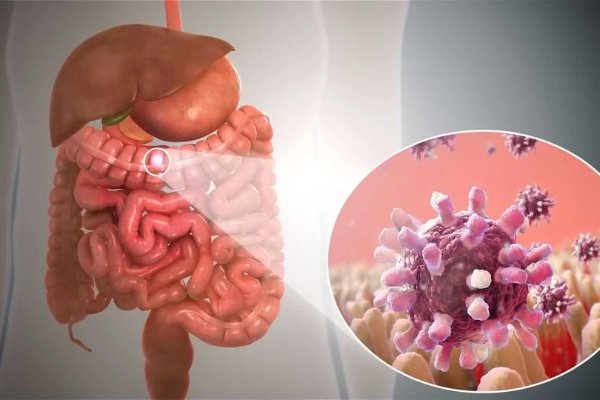
Gastrointestinal malignancies refer to cancers that arise in the digestive system, including the esophagus, stomach, liver, pancreas, gallbladder, small intestine, colon, and rectum. These cancers vary in behavior and severity, but collectively they represent a significant global health burden. Early detection and timely intervention play a crucial role in improving outcomes. With advances in surgical gastroenterology, minimally invasive techniques, and targeted therapies, many patients today benefit from more effective and personalized treatment approaches. Care under an experienced surgical gastroenterologist ensures accurate diagnosis, comprehensive management, and optimal recovery.
Causes
The development of gastrointestinal cancers is often multifactorial, involving a combination of genetic, environmental, and lifestyle-related factors. Chronic inflammation, such as that seen in long-standing acid reflux or inflammatory bowel disease, can increase cancer risk. Dietary habits, including high intake of processed foods and low fiber consumption, are also associated with certain GI cancers. Tobacco use, excessive alcohol consumption, obesity, and sedentary lifestyles further contribute to risk. In some cases, inherited genetic syndromes or a strong family history may predispose individuals to malignancies of the digestive tract.
Symptoms
Symptoms of gastrointestinal malignancies can be subtle in the early stages and may vary depending on the organ involved. Common warning signs include unexplained weight loss, persistent abdominal pain, difficulty swallowing, changes in bowel habits, blood in stool or vomit, and prolonged indigestion. Patients may also experience fatigue, loss of appetite, or anemia. Since these symptoms can overlap with benign conditions, it is important not to ignore persistent or worsening signs and seek medical evaluation promptly.
Diagnosis
Accurate diagnosis involves a combination of clinical evaluation, imaging studies, and endoscopic procedures. Techniques such as upper GI endoscopy, colonoscopy, and endoscopic ultrasound allow direct visualization and biopsy of suspicious lesions. Imaging modalities including CT scans, MRI, and PET scans help determine the extent of disease and guide treatment planning. Laboratory tests, including tumor markers, may also support diagnosis and monitoring. A multidisciplinary approach ensures precise staging and tailored management for each patient.
Treatment Options
Treatment for gastrointestinal malignancies depends on the type, stage, and location of the cancer, as well as the patient’s overall health. Surgery remains the cornerstone of treatment for many GI cancers, aiming to remove the tumor completely while preserving function. Minimally invasive and robotic-assisted surgeries have enhanced precision and recovery. In addition to surgery, treatments may include chemotherapy, radiation therapy, targeted therapy, and immunotherapy. In selected cases, a combination of these modalities is used to improve outcomes. Personalized treatment planning ensures that each patient receives the most effective and appropriate care.
Post-Treatment Care
Recovery after treatment requires careful monitoring and supportive care. Patients are guided on nutrition, physical activity, and lifestyle modifications to promote healing and prevent recurrence. Regular follow-up visits, imaging, and laboratory tests are essential to detect any signs of recurrence at an early stage. Emotional and psychological support also plays an important role in overall recovery, helping patients regain confidence and quality of life after cancer treatment.
Risks or Complications
Like any major medical condition and its treatment, gastrointestinal malignancies may be associated with certain risks and complications. These can include surgical risks such as infection, bleeding, or delayed healing, as well as treatment-related side effects like fatigue, nausea, or changes in digestion. Advanced cancers may lead to complications such as obstruction, bleeding, or spread to other organs. Early diagnosis and expert management significantly reduce these risks and improve long-term outcomes.
When to See a Doctor
It is important to consult a specialist if you experience persistent digestive symptoms, unexplained weight loss, or any concerning changes in your health. Individuals with a family history of gastrointestinal cancers or known risk factors should consider regular screening as advised by their doctor. Seeking timely medical attention allows for early diagnosis, which is critical for successful treatment and better prognosis. A consultation with a qualified surgical gastroenterologist can provide clarity, reassurance, and a clear path forward for diagnosis and care.
Explore more:
Explore Our Specialities
Our Services
Don’t Ignore Your Symptoms
Get timely diagnosis and expert treatment for lasting relief.