Stomach Cancer
Stomach Cancer
Overview
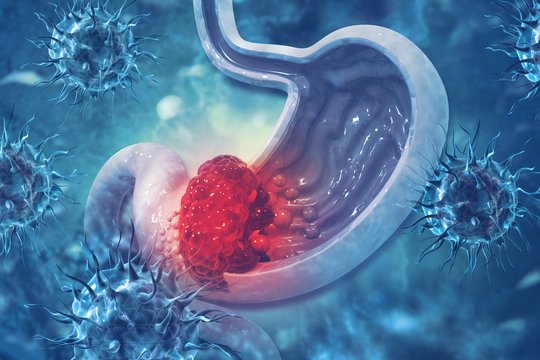
Stomach cancer, also known as gastric cancer, is a condition in which malignant cells develop in the lining of the stomach. It often grows slowly over time and may not cause noticeable symptoms in its early stages, which can make early detection challenging. This type of cancer typically begins in the inner lining of the stomach and can gradually spread to deeper layers and nearby organs if left untreated. With advances in surgical gastroenterology, early diagnosis and timely intervention have significantly improved outcomes, making awareness and regular evaluation crucial, especially for individuals at higher risk.
Causes
The exact cause of stomach cancer is not always clear, but it is usually linked to a combination of genetic, environmental, and lifestyle factors. Chronic infection with Helicobacter pylori is one of the most common risk factors, as it can lead to long-standing inflammation of the stomach lining. Diets high in smoked, salted, or processed foods and low in fresh fruits and vegetables may also increase risk. Other contributing factors include smoking, excessive alcohol consumption, obesity, a family history of gastric cancer, and certain pre-existing stomach conditions such as chronic gastritis or intestinal metaplasia. In some cases, inherited genetic mutations may play a role.
Symptoms
In its early stages, stomach cancer may present with vague or mild symptoms that are often mistaken for common digestive issues. Patients may experience persistent indigestion, a feeling of fullness after eating small amounts, or mild discomfort in the upper abdomen. As the disease progresses, symptoms can become more pronounced and may include unexplained weight loss, nausea, vomiting, difficulty swallowing, fatigue, and the presence of blood in vomit or stools. Because these symptoms can overlap with other gastrointestinal conditions, persistent or worsening signs should not be ignored.
Diagnosis
Accurate diagnosis of stomach cancer involves a combination of clinical evaluation and advanced diagnostic techniques. An upper gastrointestinal endoscopy is the most important test, allowing direct visualization of the stomach lining and enabling biopsy of suspicious areas. Imaging studies such as CT scans, PET scans, or endoscopic ultrasound may be used to determine the extent of the disease and whether it has spread beyond the stomach. Blood tests and other supportive investigations help assess overall health and guide treatment planning. Early and precise staging is essential for choosing the most effective treatment approach.
Treatment Options
The treatment of stomach cancer depends on the stage of the disease, the patient’s overall health, and the tumor’s location. Surgery remains the cornerstone of treatment for localized cancers and may involve partial or total removal of the stomach along with nearby lymph nodes. Minimally invasive and advanced surgical techniques have improved recovery and outcomes. In many cases, chemotherapy and/or radiation therapy are used either before surgery to shrink the tumor or after surgery to reduce the risk of recurrence. Targeted therapy and immunotherapy are emerging options for certain patients, offering more personalized treatment strategies based on the tumor’s molecular profile.
Post-Treatment Care
Recovery after stomach cancer treatment requires a comprehensive and patient-focused approach. Nutritional support is especially important, as changes in stomach function can affect digestion and absorption. Patients may need to adapt to smaller, more frequent meals and work closely with a nutrition specialist. Regular follow-up visits are essential to monitor recovery, detect any recurrence early, and manage side effects of treatment. Physical rehabilitation, emotional support, and lifestyle modifications, including quitting smoking and maintaining a balanced diet, play a vital role in long-term health and quality of life.
Risks or Complications
Like any major medical condition and its treatment, stomach cancer can be associated with certain risks and complications. Surgical procedures may carry risks such as infection, bleeding, or delayed gastric emptying. Long-term complications can include nutritional deficiencies, weight loss, or changes in digestion. Chemotherapy and radiation therapy may cause side effects such as fatigue, nausea, or reduced immunity. However, with careful monitoring and expert care, most complications can be effectively managed, and patients can achieve a good quality of life.
When to See a Doctor
It is important to seek medical attention if you experience persistent digestive symptoms that do not improve with routine treatment. Warning signs such as unexplained weight loss, difficulty swallowing, ongoing abdominal pain, vomiting, or any evidence of gastrointestinal bleeding should be evaluated promptly. Individuals with a family history of stomach cancer or known risk factors should consider regular screening and consultation with a specialist. Early detection significantly improves treatment success, making timely medical evaluation a critical step in ensuring the best possible outcome.
Explore more:
Explore Our Specialities
Our Services
Don’t Ignore Your Symptoms
Get timely diagnosis and expert treatment for lasting relief.