UIcerative Colitis
UIcerative Colitis
Overview
Ulcerative colitis is a chronic inflammatory condition that affects the inner lining of the colon (large intestine) and rectum. It is a type of inflammatory bowel disease (IBD) characterized by continuous inflammation and the formation of ulcers in the digestive tract. The condition typically follows a pattern of flare-ups and remission, meaning symptoms may come and go over time. Although it is a long-term condition, with proper medical care and monitoring, most patients can effectively manage symptoms and maintain a good quality of life.
Causes
The exact cause of ulcerative colitis is not fully understood, but it is believed to involve an abnormal immune response in which the body’s immune system mistakenly attacks the lining of the colon. Genetic factors, environmental influences, and certain triggers such as infections or stress may contribute to the development of the disease. While diet does not directly cause ulcerative colitis, certain foods may worsen symptoms during flare-ups.
Symptoms
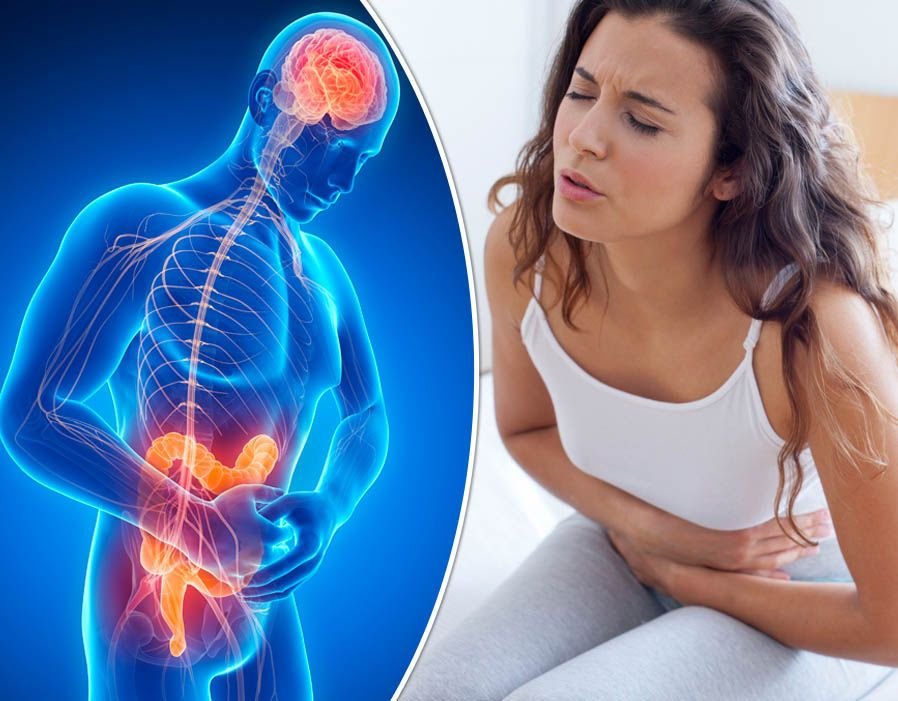
Symptoms of ulcerative colitis can vary in severity depending on the extent of inflammation. Common symptoms include persistent diarrhea, often with blood or mucus, abdominal pain and cramping, urgency to pass stools, and fatigue. Patients may also experience weight loss, reduced appetite, and a general feeling of weakness. In more severe cases, symptoms such as fever, dehydration, or anemia may develop, requiring prompt medical attention.
Diagnosis
Diagnosis involves a detailed clinical evaluation along with specific investigations. Colonoscopy is the most important diagnostic tool, allowing direct visualization of the colon and rectum and enabling biopsy to confirm inflammation. Blood tests help detect signs of infection or anemia, while stool tests are used to rule out other causes of symptoms. Imaging studies such as CT scans or MRI may be used to assess disease severity and complications.
Treatment Options
Treatment of ulcerative colitis aims to reduce inflammation, control symptoms, and maintain remission. Medications such as anti-inflammatory drugs, immunosuppressants, and biologic therapies are commonly used. In cases where medical treatment is not effective or complications arise, surgical intervention may be required. Surgery may involve removal of the affected portion of the colon or, in severe cases, the entire colon. Minimally invasive surgical techniques are often used when appropriate, offering improved recovery and outcomes.
Post-Treatment Care
Long-term management is essential for patients with ulcerative colitis. Maintaining a balanced diet, avoiding trigger foods, managing stress, and adhering to prescribed medications are important for controlling symptoms. Regular follow-up visits and monitoring help prevent flare-ups and detect complications early. Nutritional support may also be necessary in some cases.
Risks or Complications
If not properly managed, ulcerative colitis can lead to complications such as severe bleeding, dehydration, colon perforation, or increased risk of colorectal cancer. Chronic inflammation can also impact overall health and nutrition. With appropriate treatment and regular monitoring, these risks can be significantly reduced.
When to See a Doctor
You should consult a doctor if you experience persistent diarrhea, blood in the stool, abdominal pain, or unexplained weight loss. Early diagnosis and timely treatment are crucial in managing the condition effectively. Seeking expert care from a specialist like Dr. Chitterusu Raghuram ensures accurate diagnosis, personalized treatment, and long-term disease management.
Explore more:
Explore Our Specialities
Our Services
Don’t Ignore Your Symptoms
Get timely diagnosis and expert treatment for lasting relief.